

Albrecht Dürer
1471-1528
“I have learned to use the time given me well, and to make the best of every hour.”
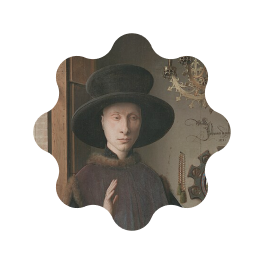
Northern Renaissance



About
Albrecht Dürer was a German Renaissance artist who worked mostly in Nuremberg in the late 1400s and early 1500s. He mattered because he helped Northern European art speak with a new kind of confidence, precise in craft, ambitious in ideas, and designed to travel. In his hands, an image could be both intimate and widely shared. Dürer pushed printmaking into the spotlight. His woodcuts and engravings were not side projects, they were engines of imagination that moved across Europe like portable murals. He absorbed Italian lessons in proportion and perspective, then fused them with Northern detail, turning line into architecture and shading into atmosphere. He also wrote about measurement and the human body, treating art as a form of knowledge. When you look at Dürer, watch how he builds meaning through control. Notice the crisp edges, the patient textures, the way a hand or gaze can carry the weight of a whole story. His work feels like a finely tuned instrument, each mark a note, together creating a clear, resonant chord.
Masterpieces


