Artemisia Gentileschi
1593-1653
“I do not pretend to have a great talent; I have a talent for perseverance.”
Baroque
Known For




About
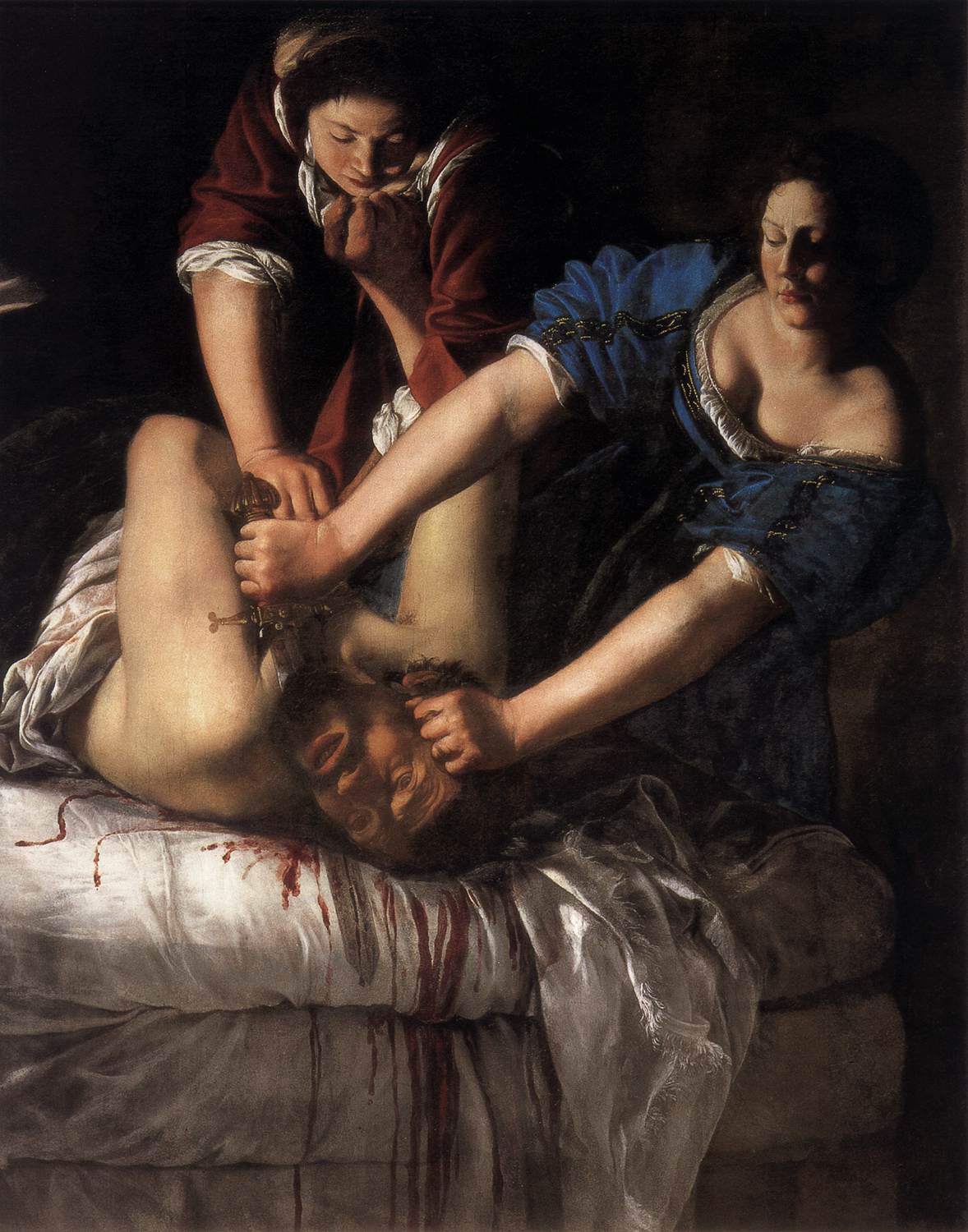
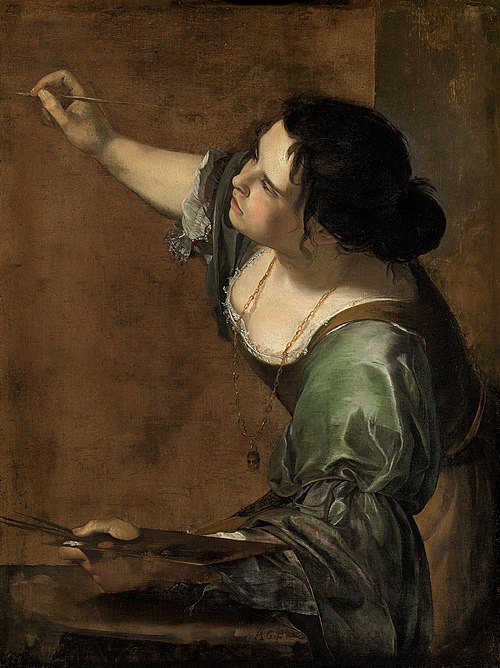
Artemisia Gentileschi was an Italian Baroque painter who worked in the 1600s in Rome, Florence, Naples, and beyond, succeeding in a field built to exclude her. She mattered because she painted strength with conviction, making women central, complex, and undeniable. Artemisia pushed Caravaggio’s dramatic light into stories where women act rather than endure. Her heroines, Judith, Jael, Susanna, are not ornaments in a moral tale, they are the engine of the scene. She combined sharp observation with theatrical chiaroscuro, and her figures feel physically present, bodies with weight, faces with intent. Her career also broke barriers, including becoming the first woman admitted to Florence’s Accademia, proving mastery could outshine gatekeeping. Berthe Morisot,Berthe Morisot was a French Impressionist working in Paris in the late nineteenth century
Masterpieces