Diego Rivera
1886-1957
“Art is a weapon in the class struggle.”
Realism
Known For



About
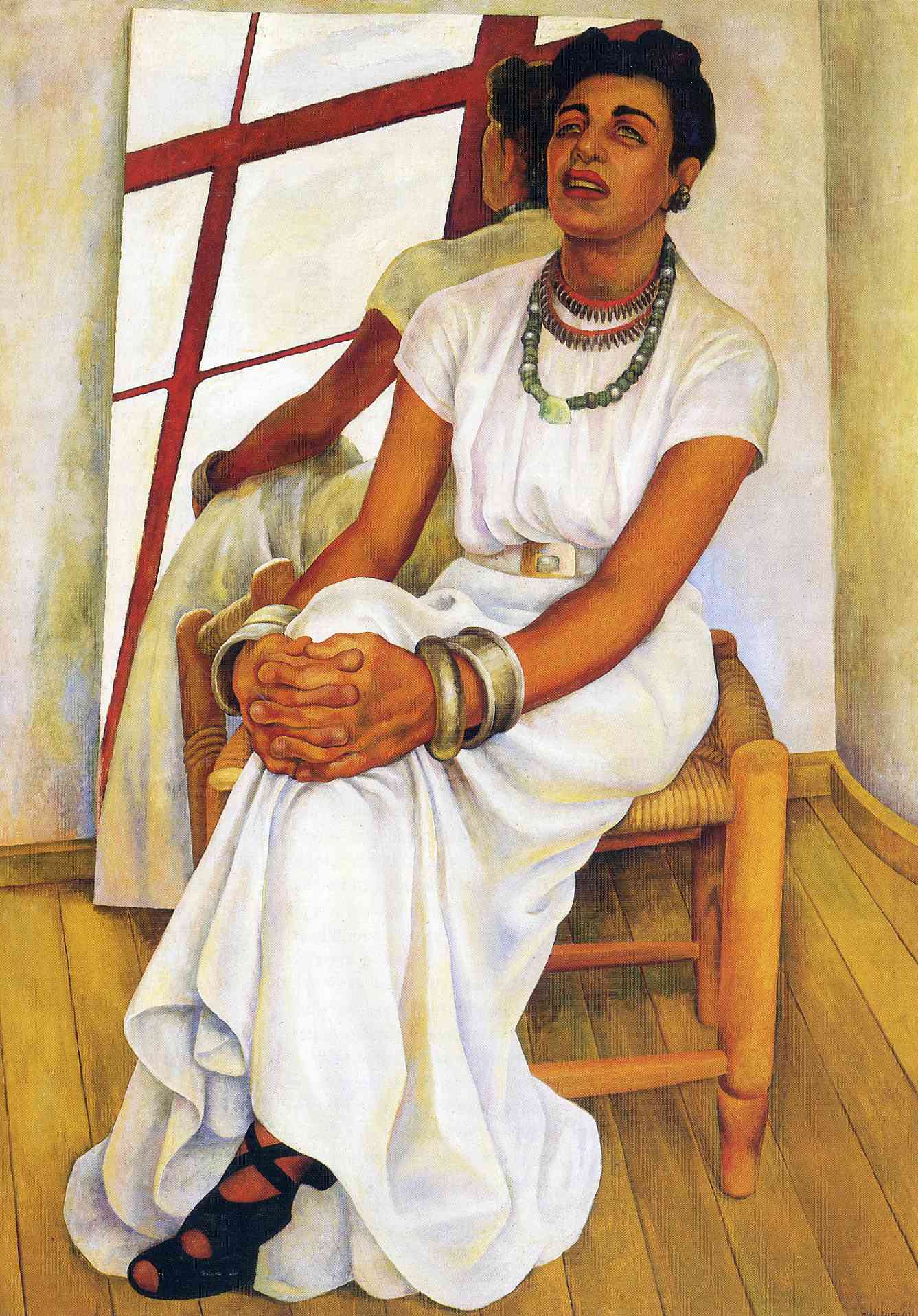
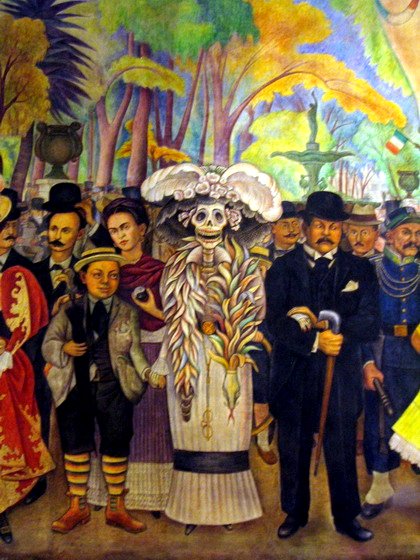
Diego Rivera worked in Mexico and the United States in the early 20th century, emerging after revolution with a vision for art that belonged to everyone. Born in 1886, he believed painting should live on public walls, not behind museum doors. Rivera matters because he turned history, labor, and politics into shared visual memory, transforming buildings into collective textbooks. He reshaped mural painting by blending Renaissance fresco techniques with modern scale and radical subject matter. Indigenous history, industrial labor, and revolutionary struggle unfold in bold, readable compositions meant for ordinary viewers. His figures are solid and monumental, his colors direct, his storytelling unapologetic. Art, for Rivera, was not neutral, it was a social force. When looking at Rivera’s work, step back and read it like a crowd scene. Notice how individuals become part of a larger system. Faces feel archetypal rather than personal. His murals ask you to see yourself within history, reminding you that progress, conflict, and labor are not abstract ideas, but lived, shared experiences.
Masterpieces