Diego Velázquez
1599-1660
“What is painting but a continuing rebellion against the dullness of the world?”
Baroque
Known For




About
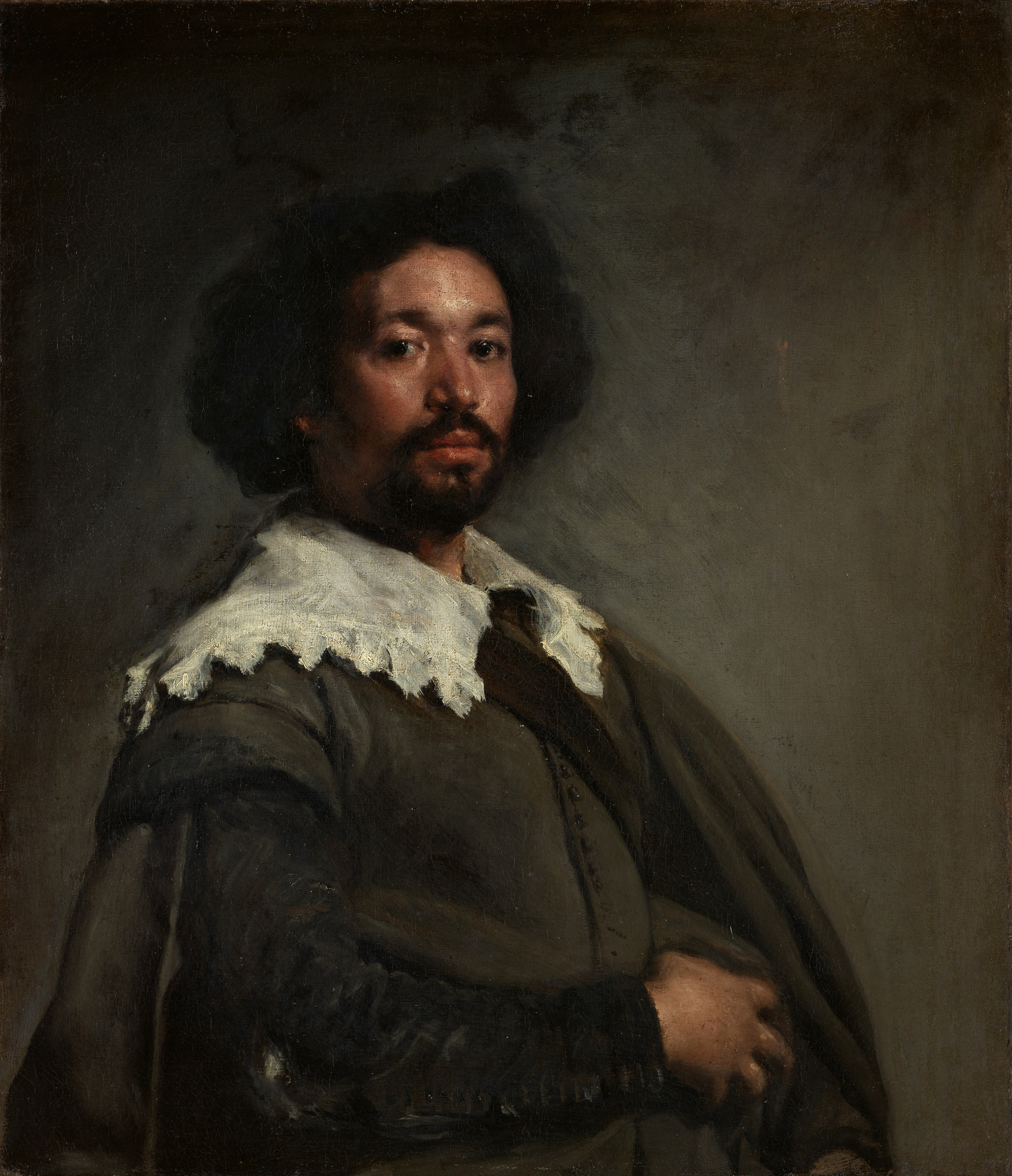
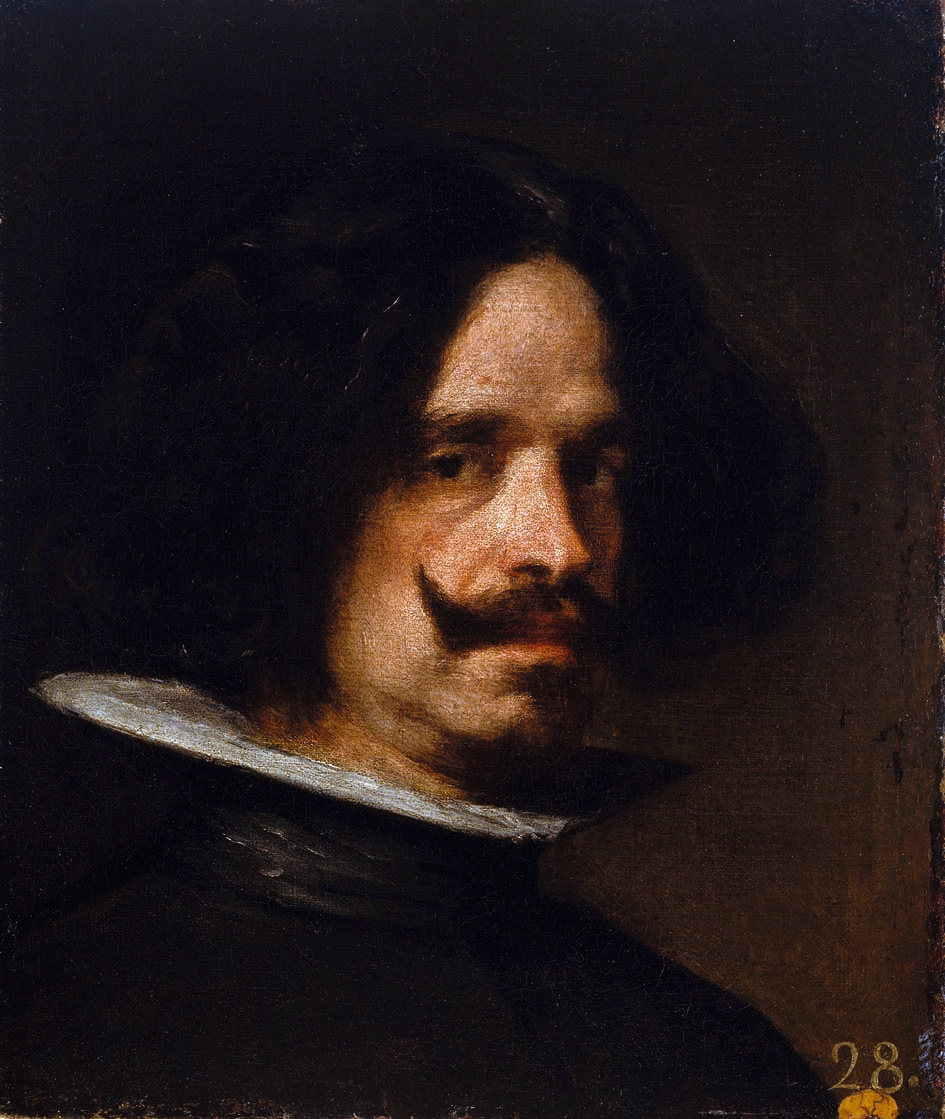
Diego Velázquez was a Spanish Baroque painter working in seventeenth-century Madrid, best known as the court artist to King Philip IV. He mattered because he painted power without spectacle, bringing a quiet, observant intelligence to a world built on hierarchy and display. His work feels less like propaganda and more like presence. Velázquez transformed painting through restraint. His brushwork grew increasingly loose and economical, suggesting form rather than spelling it out. He expanded portraiture beyond likeness, giving kings, servants, and court figures the same psychological depth. In works like *Las Meninas*, he turned painting into a meditation on seeing itself, collapsing the distance between artist, subject, and viewer. When you look at Velázquez, notice how little he insists. Forms emerge softly, almost casually, yet feel completely assured. Pay attention to glances, pauses, and the space between figures. His paintings don’t rush to impress. They wait for you to notice how reality quietly assembles itself, stroke by stroke.
Masterpieces