

Edward Hopper
1882-1967
“If you could say it in words there would be no reason to paint.”
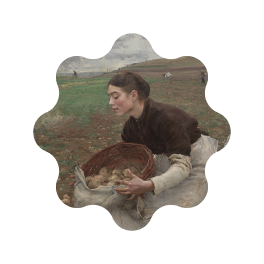
Realism
Known For



About
Edward Hopper worked in the United States during the first half of the 20th century, quietly observing a rapidly modernizing world. Born in 1882, he painted cities, houses, and interiors stripped of noise and narrative. Hopper matters because he gave form to modern loneliness, capturing what it feels like to exist between moments. He transformed realism through restraint. Clean lines, stark architecture, and dramatic light frame figures who seem lost in thought rather than action. His scenes avoid explanation, leaving emotional gaps the viewer must fill. Light becomes psychological, cutting across rooms and streets like an unspoken question. When viewing Hopper, pay attention to silence. Notice the distance between people, the tension between inside and outside. His paintings feel paused, as if something has just happened or is about to. Hopper invites you to sit with that uncertainty, to recognize how isolation can feel both empty and strangely familiar.
Masterpieces


