Gerhard Richter
1932
“Abstraction is the practical form of thinking.”
Realism
Known For



Themes
About
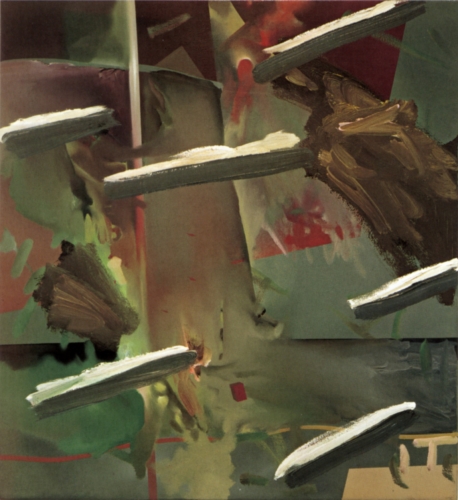
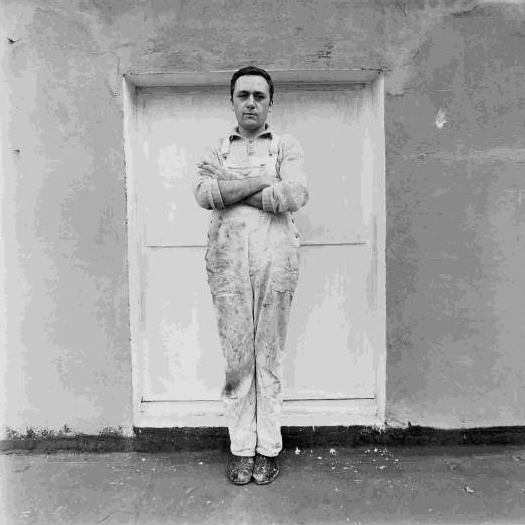
Gerhard Richter came of age in postwar Germany, surrounded by competing truths and broken histories. Born in 1932, he experienced dictatorship, propaganda, and division before relocating to the West. Rather than choosing a single style, he built a career on doubt. Richter matters because he treats painting as a question rather than a statement. His blurred photo-paintings reproduce images from memory, news, and family archives, then soften them until certainty dissolves. Later abstractions, made by dragging layers of color across the surface, feel both deliberate and accidental. Across styles, his work resists fixed meaning, suggesting that images can never fully explain the world they depict. When viewing Richter, notice hesitation. Edges fade, surfaces shift, and clarity slips away. Ask what you expect an image to tell you, and what happens when it refuses. His paintings create space for ambiguity, where looking becomes an active process, and truth feels provisional, layered, and incomplete.
Masterpieces