Jackson Pollock
1912-1956
“Paint freely; let the painting itself guide you.”

Abstract Expressionism
Known For



Themes
About
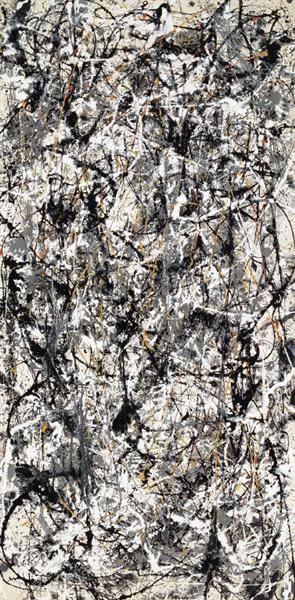
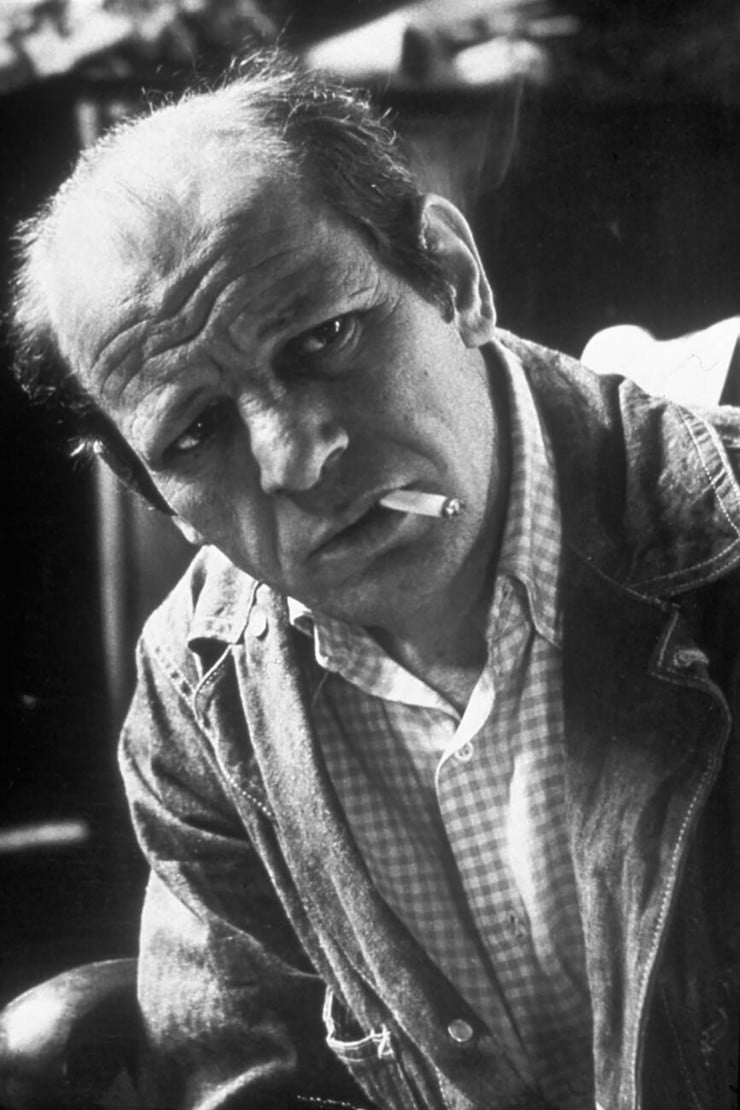
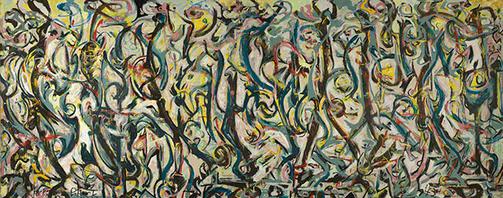
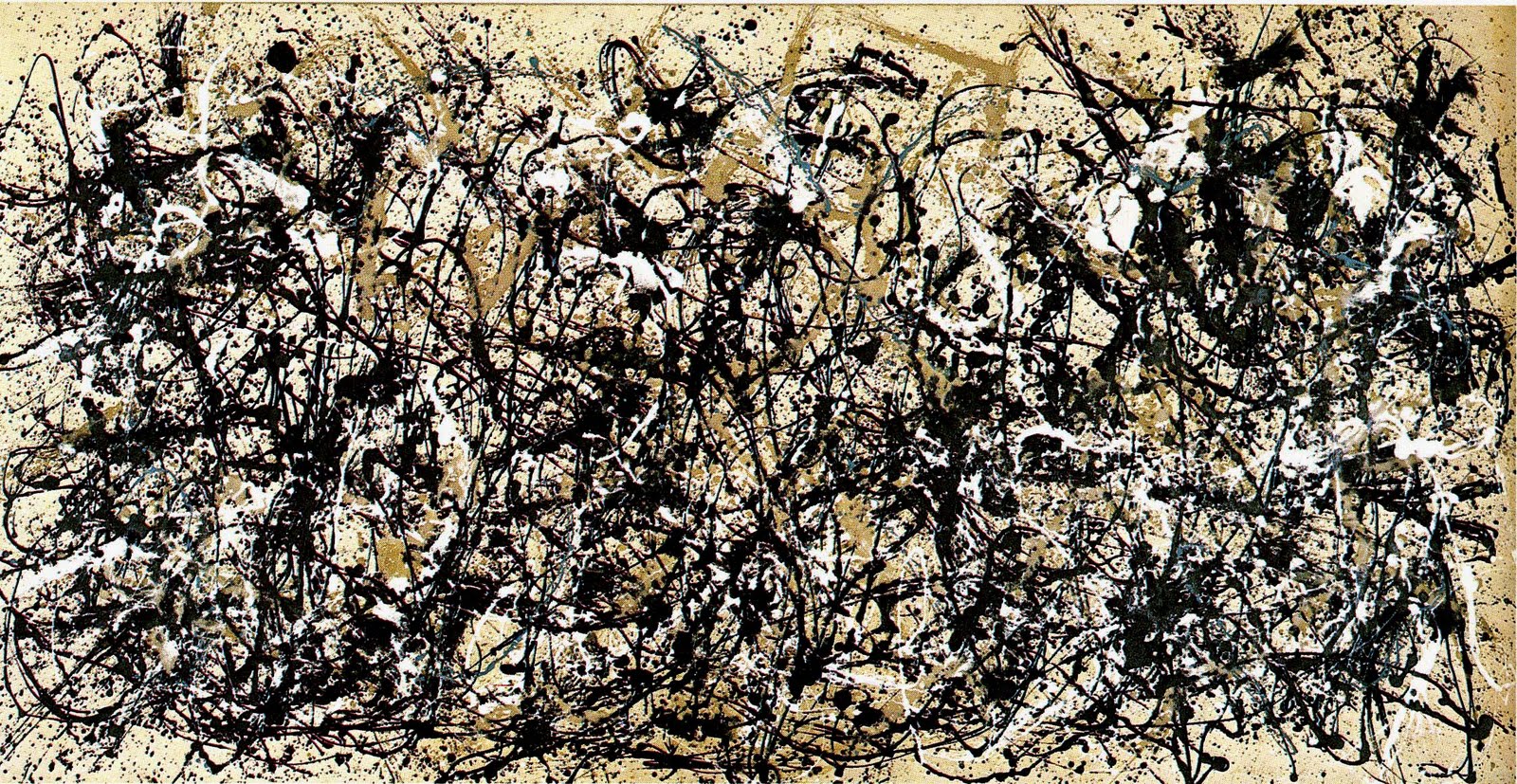
Jackson Pollock emerged in postwar America as a painter who redefined what painting could be. Born in 1912 in Wyoming and working mainly in New York and Long Island, he came of age during a moment when the center of modern art was shifting away from Europe. Pollock mattered because he turned painting into an event, something enacted in real time rather than carefully composed at a distance. His breakthrough came with the drip technique, laying canvases on the floor and moving around them, pouring and flinging paint in looping gestures. This approach dissolved traditional ideas of composition, foreground, and subject. The resulting webs of line feel spontaneous, yet they hold rhythm and balance. Pollock replaced depiction with motion, making the artist’s physical presence inseparable from the work. When you look at a Pollock, step back first. Let the surface read as a field rather than an image. Then move closer and follow the trails of paint, noticing pauses, accelerations, and overlaps. The paintings are less about chaos than immersion, inviting you to feel movement, energy, and scale as if you were standing inside the act of painting itself.
Masterpieces
.jpg)
.jpg)
.jpg!Large.jpg)