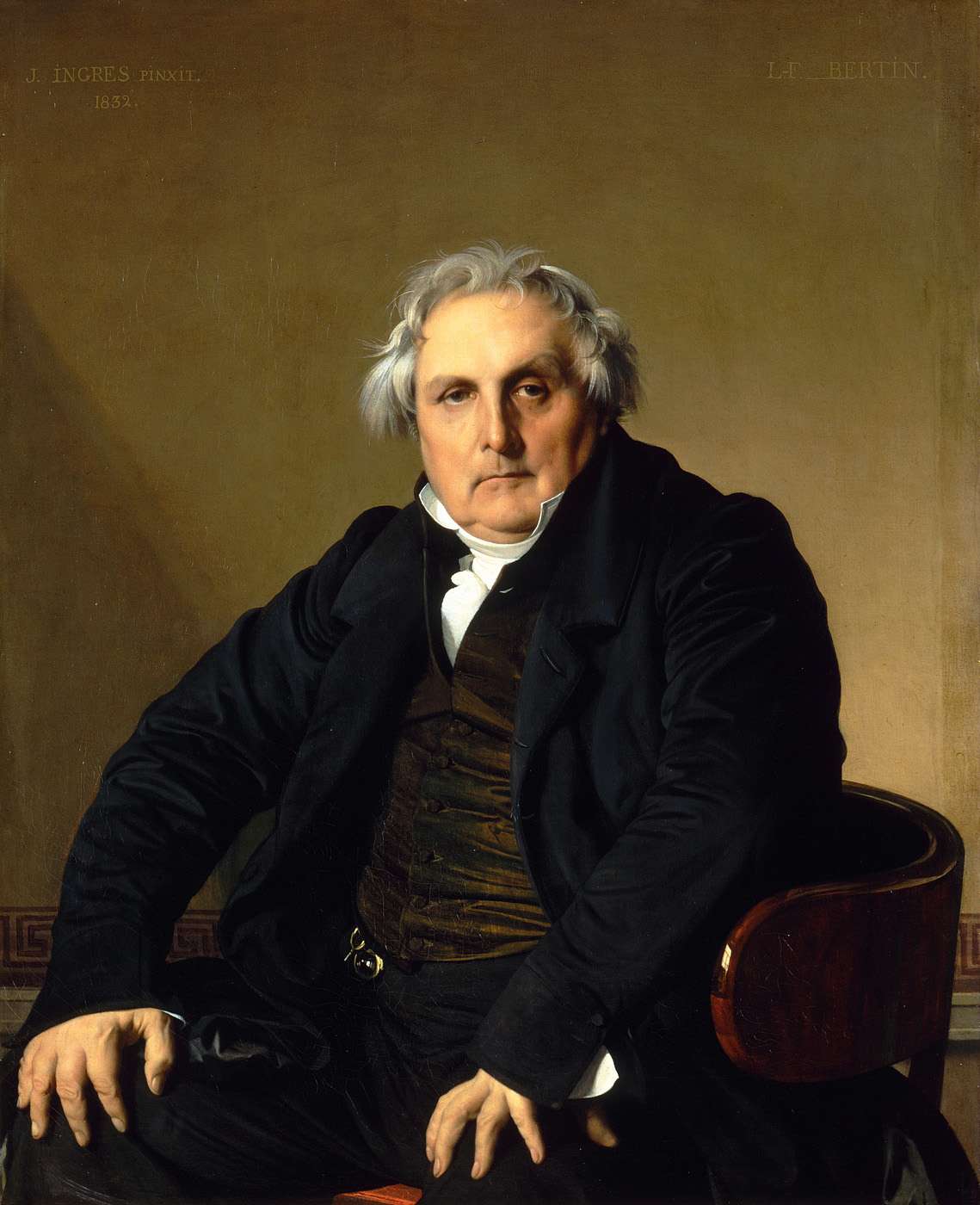
Jean-Auguste-Dominique Ingres
1780-1867
“The greatness of an artist lies in the life he gives to his subject.”
Neoclassicism
Known For



About
Jean-Auguste-Dominique Ingres worked in France during the long shadow of the French Revolution and its aftermath, positioning himself as a defender of classical ideals. Born in 1780 and trained under Jacques-Louis David, he believed deeply in the power of line, clarity, and discipline. Ingres mattered because he argued that beauty and order were not outdated values, but foundations that could endure political and cultural change. He pushed draftsmanship to an extreme, treating line as the soul of painting. While committed to classical subjects, he quietly bent anatomy and proportion to serve elegance and rhythm, especially in portraits and odalisques. These controlled distortions reveal a tension between rule and invention, making his work unexpectedly modern beneath its polished surface. When looking at Ingres, follow the contours slowly. Notice how lines glide, stretch, and curve beyond strict realism. Faces feel composed, almost guarded, while bodies move like music frozen in time. His paintings invite you to consider how restraint itself can be expressive, and how precision can carry emotion without spectacle.
Masterpieces