Vincent van Gogh
1853-1890
“I am seeking but I cannot find.”
Post-Impressionism



About
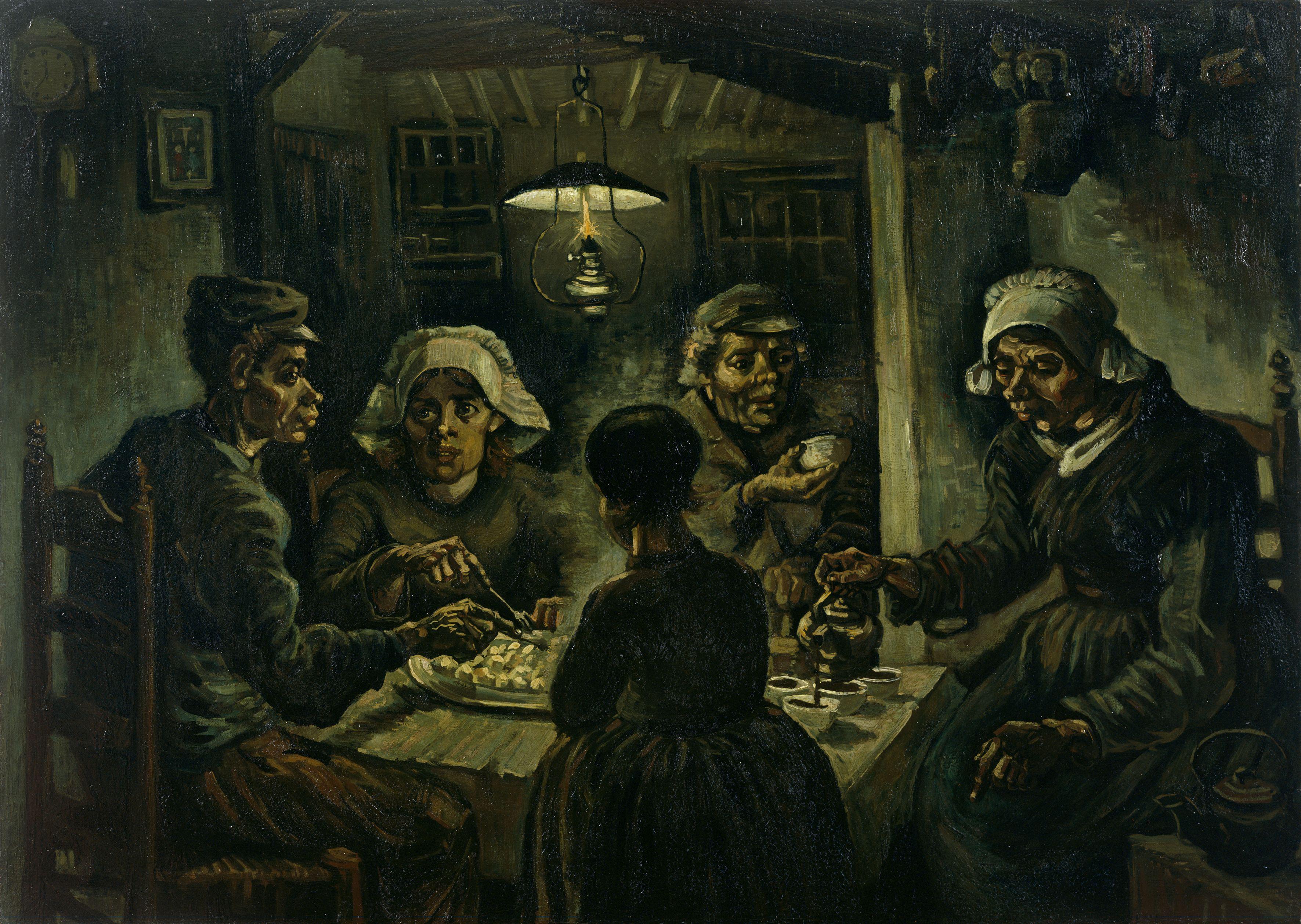
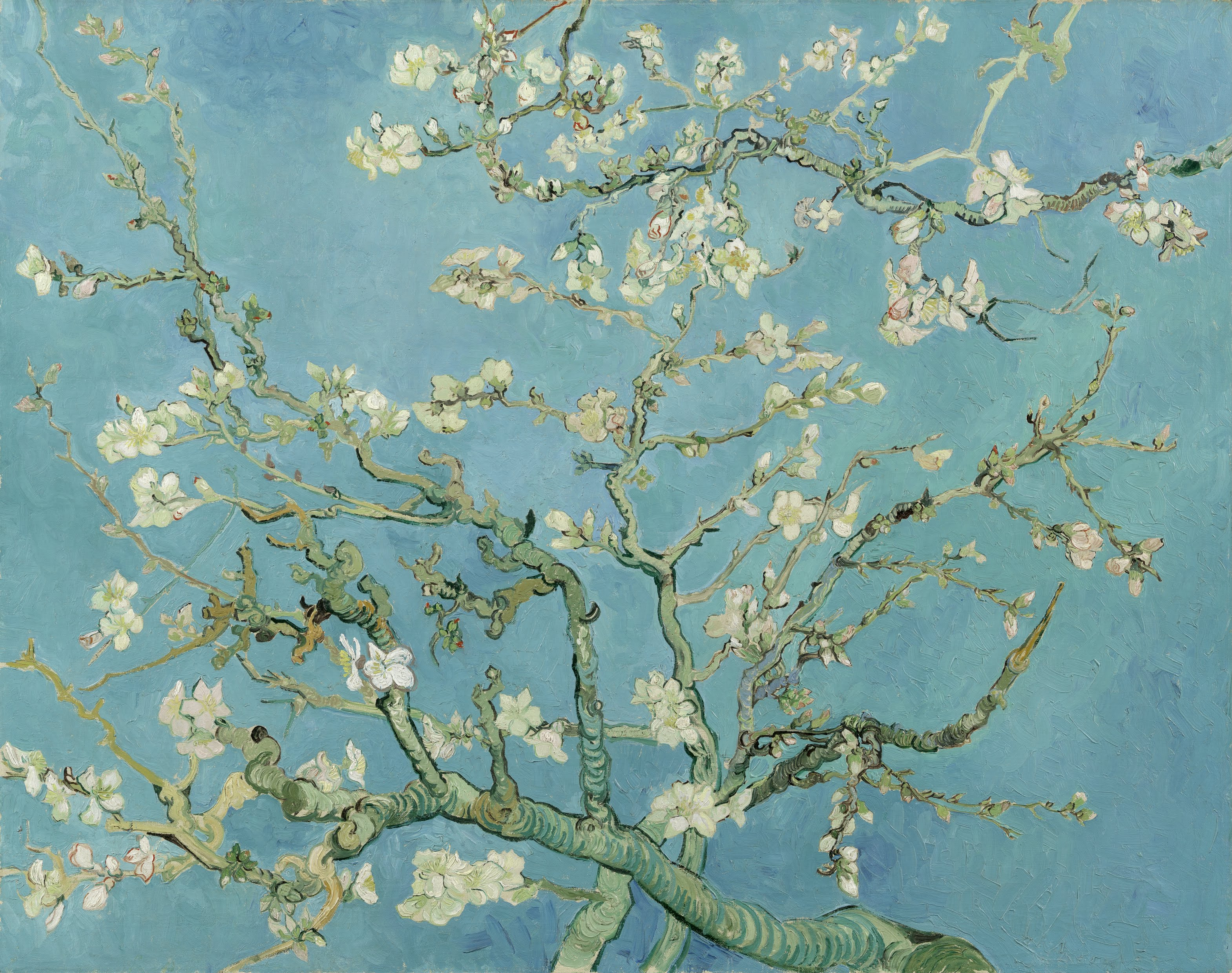
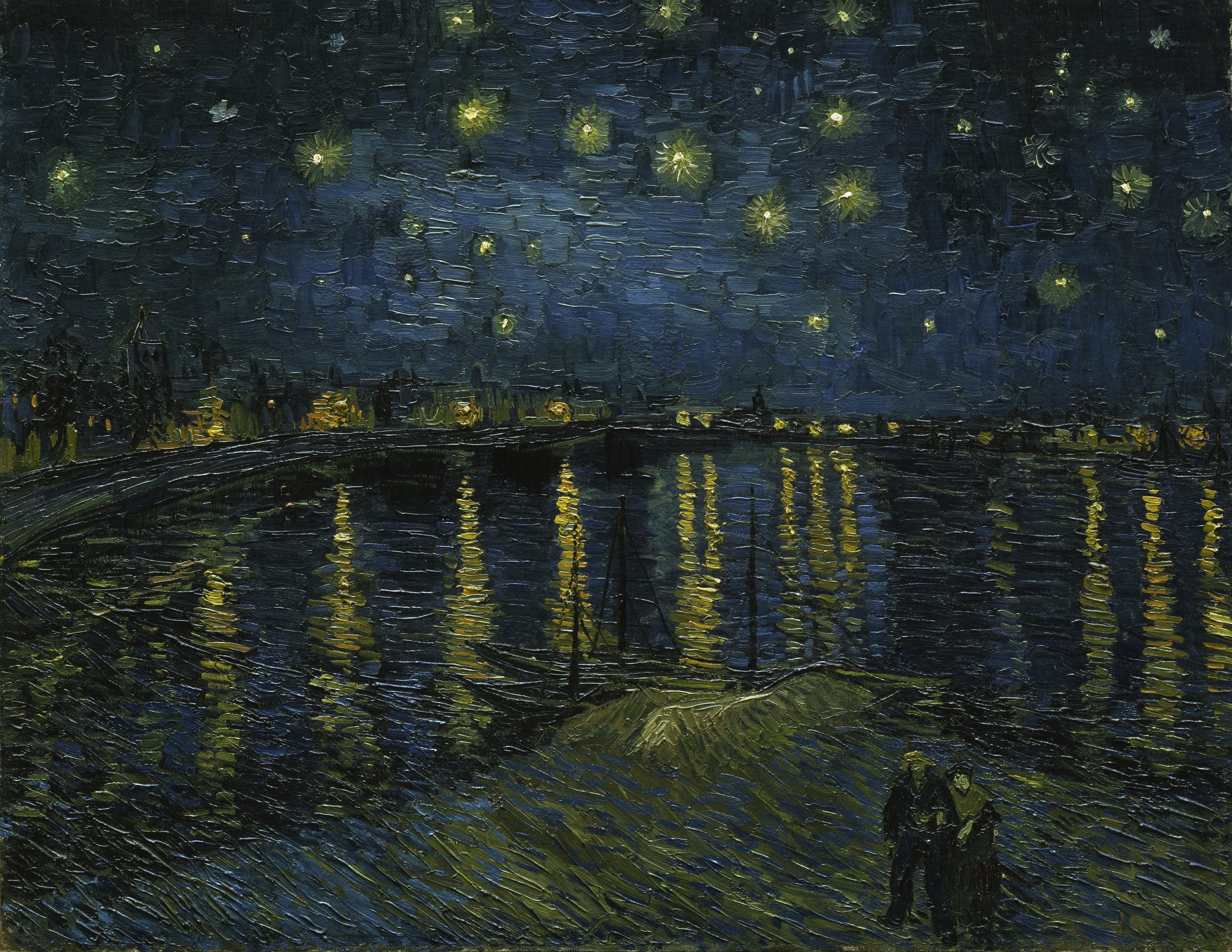
Vincent van Gogh worked across the Netherlands and France in the late 19th century, painting with urgency and intensity until his early death. Born in 1853, he struggled with poverty, illness, and isolation, yet remained fiercely devoted to art. Van Gogh matters because he turned painting into an emotional language, using color and movement to convey inner life. He transformed painting through gesture and color. Brushstrokes twist, pulse, and repeat, making the surface vibrate with feeling. Colors are exaggerated, not to imitate nature, but to express mood. Landscapes seem alive, skies churn, and ordinary objects carry weight. His work collapses the distance between what is seen and what is felt. When viewing van Gogh, follow the brushstrokes. Notice their rhythm and pressure. Let the intensity come to you without explanation. His paintings ask you to feel first and understand later, reminding you that emotion itself can be a form of truth.
Masterpieces