HomeDiscoverSaved

Self-Portrait (1659)

Rembrandt

Rembrandt

1659

Scene

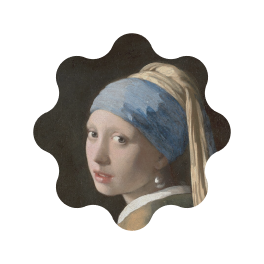
Rembrandt is shown from the waist up, seated and facing slightly to the viewer’s left. He wears a dark fur-lined coat with his hands clasped in his lap. Strong light from the upper right illuminates his face against a subdued background.

Figures

The painting depicts the artist himself in his later years. His direct gaze and firm pose convey a sense of dignity and self-possession. The composition grants him a commanding presence despite his modest dress.

Symbolism

The beret and high collar frame his face, focusing attention on his expression. His clasped hands and pose recall a Renaissance portrait, aligning him with an intellectual ideal. The work is often read as a meditation on aging and artistic identity.

Craft

The artist used thick, tactile paint applied in bold strokes to model the face. This rough, sculptural brushwork creates a sense of physical presence and psychological intensity.

Impact

This self-portrait is widely regarded as one of Rembrandt’s greatest works. It is frequently studied for its balance of vulnerability and authority. The painting continues to shape modern views of the artist as an introspective figure.

1 / 5

Tags

FiguresSelf-portraitureMelancholy

Craft

Movement

Dutch Golden Age

Dutch Golden Age

1580 - 1700

Celebrated domestic interiors, landscapes, and still lifes, emphasizing light, texture, realism, and the dignity of daily life.