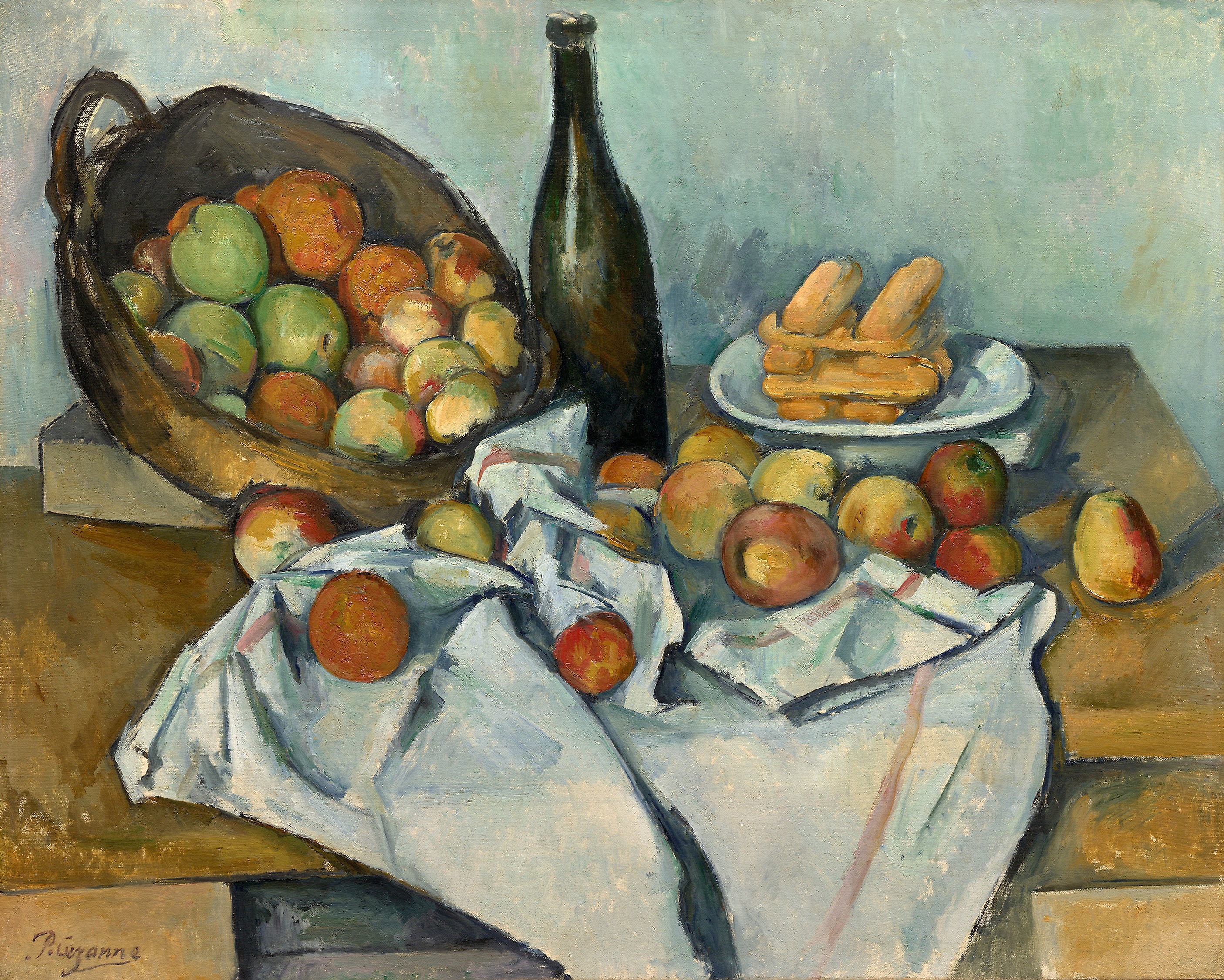
Paul Cézanne
1839-1906
“A work of art which did not begin in emotion is nothing.”
Post-Impressionism
Known For



About
Paul Cézanne worked in southern France in the late 19th century, often isolated from the Paris art world he quietly reshaped. Born in 1839 in Aix-en-Provence, he struggled for recognition during his lifetime, misunderstood by critics and peers alike. Cézanne matters because he stood between Impressionism and modern art, asking how painting could capture not just what we see, but how the world holds together. He transformed painting by slowing perception down. Rather than chasing fleeting light, he built forms through small, deliberate strokes of color, treating nature as something solid and structured. Mountains, apples, and bodies become arrangements of planes and tensions. Perspective bends, space tilts, and stability replaces spectacle. His work insists that looking is an act of construction. When viewing Cézanne, resist speed. Let your eye trace how colors stack and push against one another. Notice how nothing fully settles. His paintings reward patience, inviting you to feel the quiet labor of seeing, where order emerges gradually and the world reveals itself as something made, not merely observed.
Masterpieces