
Paul Gauguin
1848-1903
“Art is a hiding of the world from our eyes.”
Post-Impressionism
Known For



About
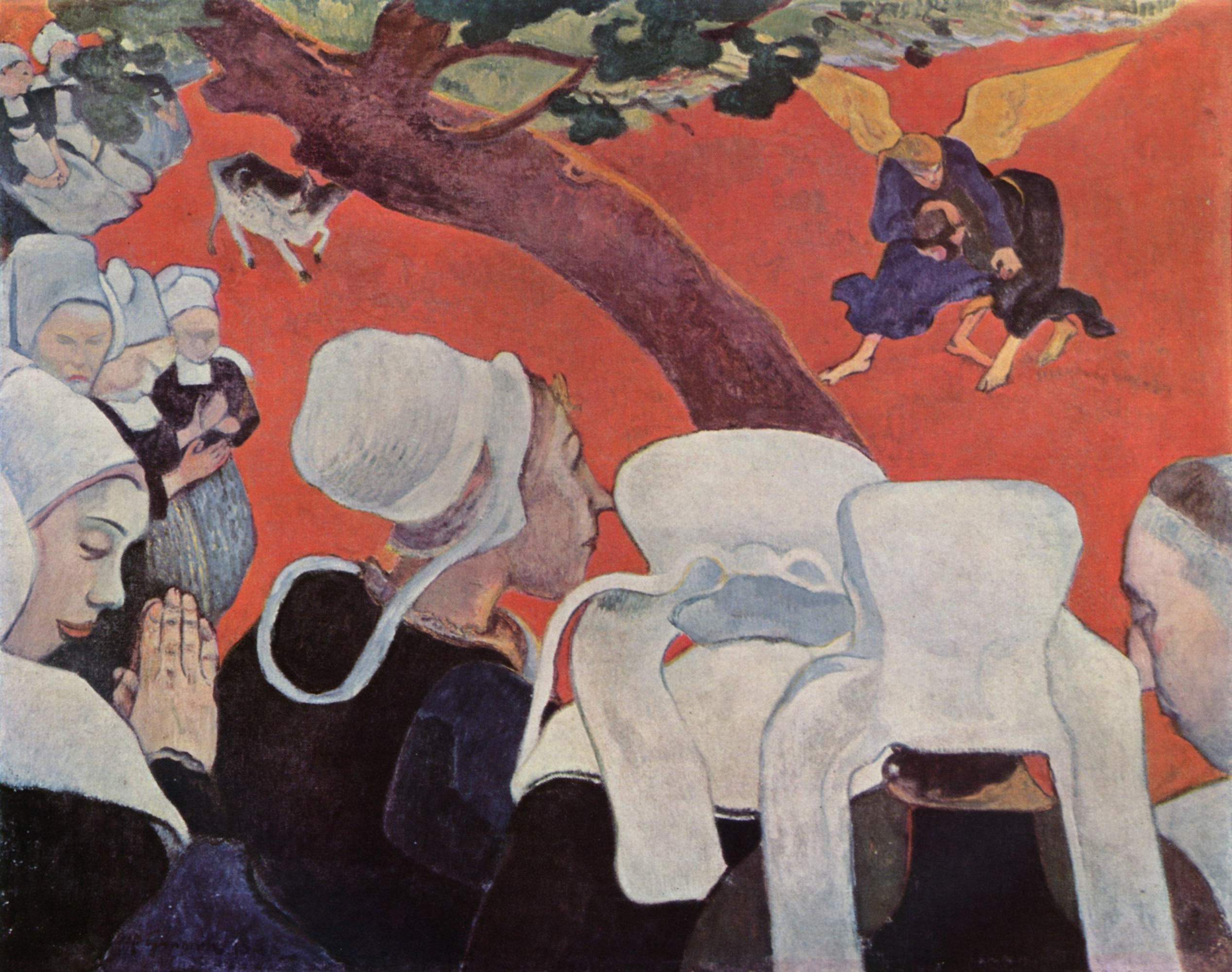
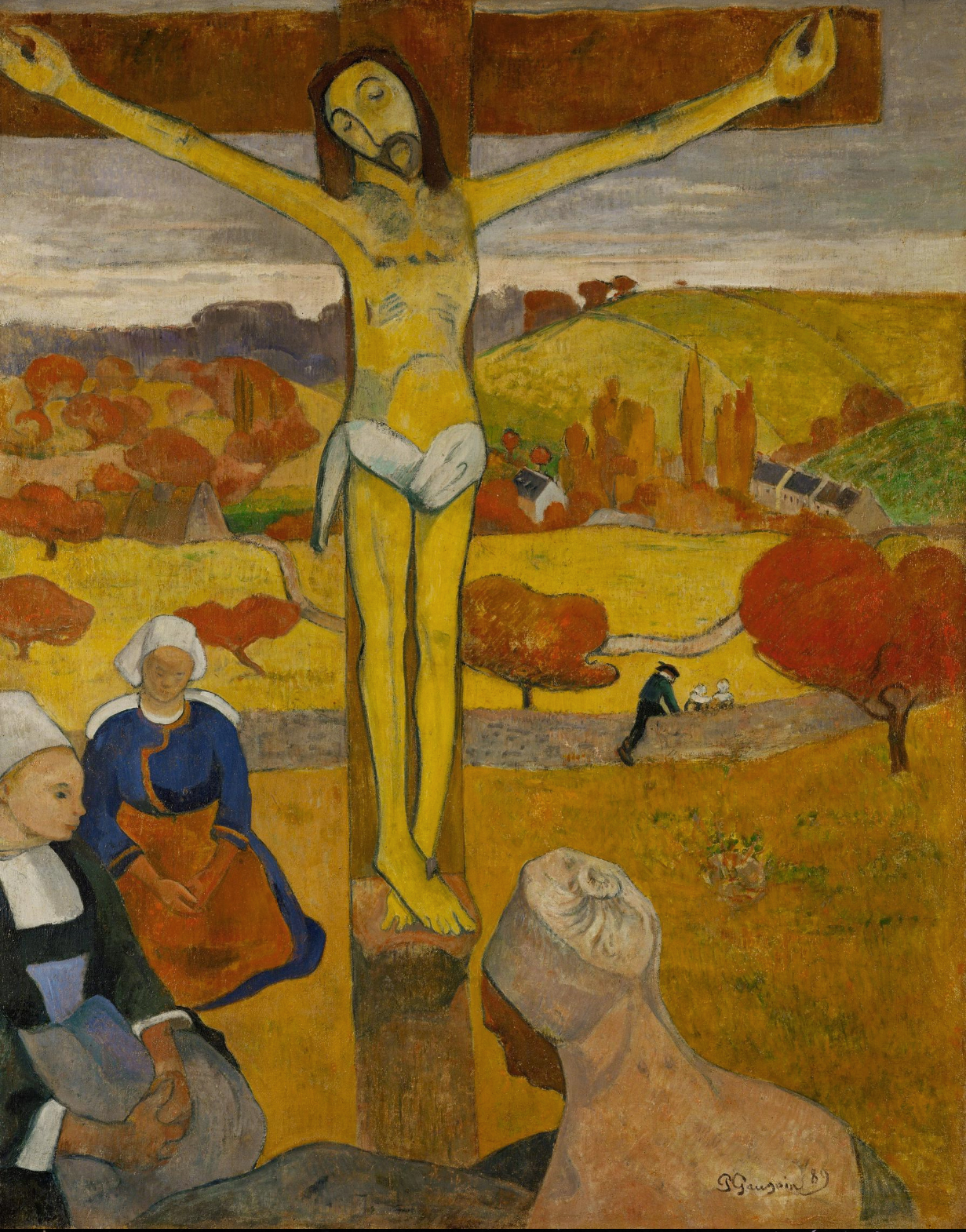
Paul Gauguin worked at the end of the 19th century, driven by a restless desire to escape modern Europe. Born in Paris in 1848, he abandoned family, career, and convention in search of what he believed was a more essential way of living. Gauguin matters because he challenged Western art’s assumptions about realism, culture, and meaning. He transformed painting through bold simplification. Flat areas of intense color, strong outlines, and symbolic imagery replaced naturalistic depth. In Brittany and later in the South Pacific, he painted not what he saw, but what he felt and imagined. His work blends myth, memory, and belief, turning painting into a personal language rather than a mirror of reality. When looking at Gauguin, notice how color leads emotion. Figures feel timeless, almost emblematic. Space flattens, and narrative becomes ambiguous. His paintings ask you to question whose vision you are seeing, and to feel how longing, fantasy, and belief shape the way we imagine other worlds.
Masterpieces