Piet Mondrian
1872-1944
“The thing itself is the way to truth.”
Neo-Plasticism
Known For



Themes
About
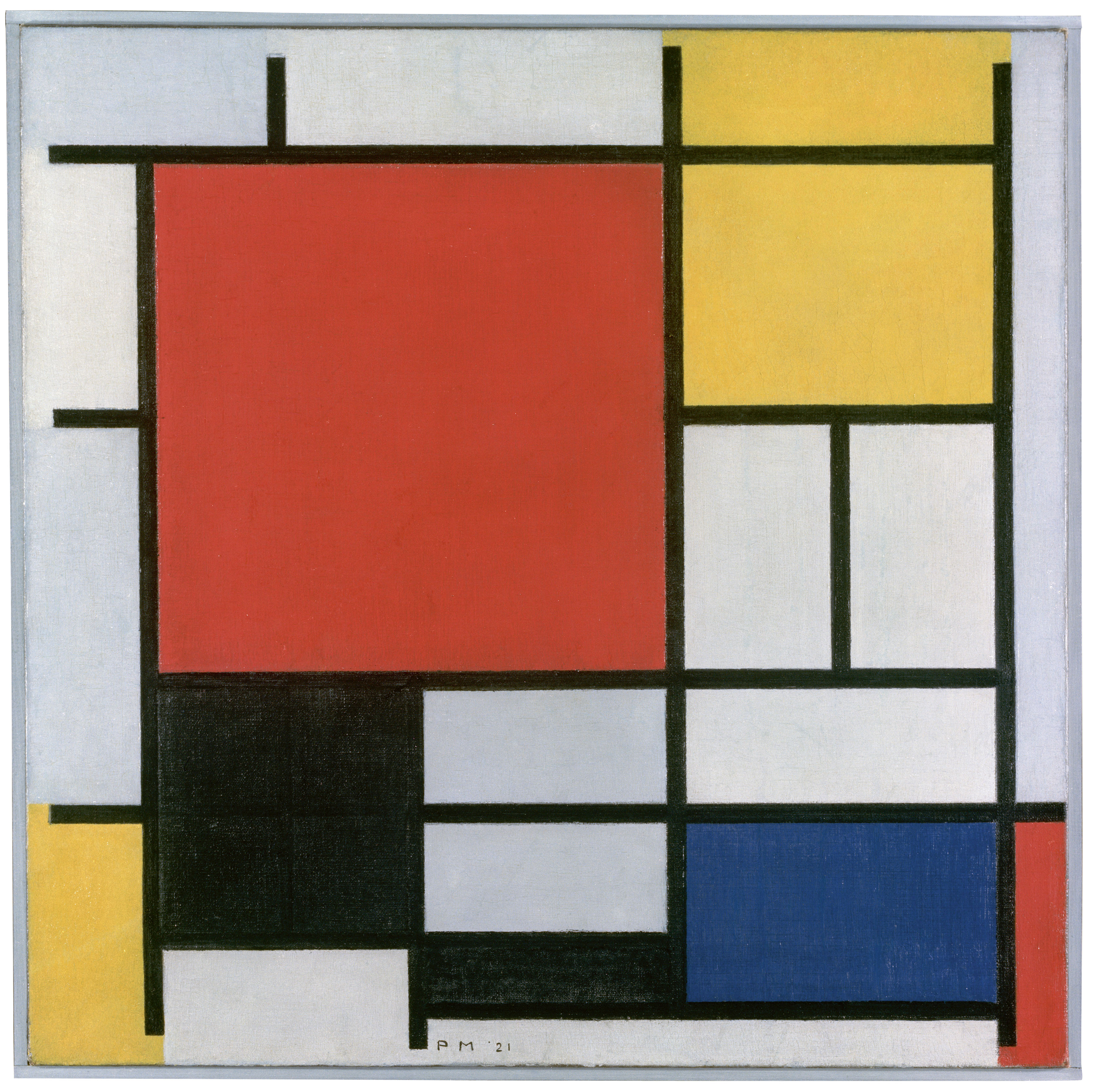
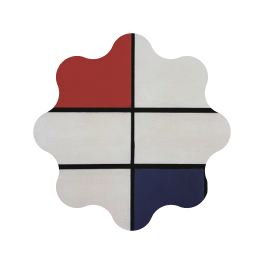
Piet Mondrian worked in Europe and later New York during the early 20th century, searching for a visual language that could express universal harmony. Born in the Netherlands in 1872, he moved from landscape painting toward abstraction as the world around him fractured through war and modernity. Mondrian matters because he believed art could offer order, balance, and clarity amid chaos. He transformed painting by reducing it to essentials. Vertical and horizontal lines, primary colors, and white space replace representation. These grids are not decorative but deliberate, carefully balanced to create tension and calm at once. Through De Stijl and his theory of Neoplasticism, Mondrian proposed that abstraction could shape how people think, live, and build. When looking at Mondrian, resist the urge to see simplicity as emptiness. Notice how asymmetry creates energy, how color punctuates silence. The paintings reward still attention. They ask you to feel balance rather than recognize objects, offering a quiet rhythm where structure itself becomes expressive.
Masterpieces