

Sandro Botticelli
c.1445-1510
“Fate gives us the paintbrush; we choose the painting.”
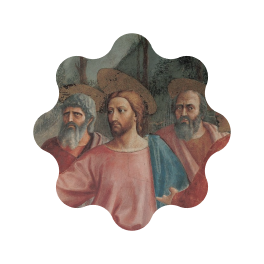
Early Renaissance




About
Sandro Botticelli worked in Florence during the height of the Early Renaissance, surrounded by humanist thought and Medici patronage. Born around 1445, he became known for his lyrical line and poetic sensibility. Botticelli matters because he gave form to ideals, beauty, love, mythology, and spiritual longing, with a distinctive emotional softness. He transformed Renaissance painting by prioritizing line over depth. Figures float rather than anchor, moving with rhythmic grace. In mythological scenes, classical stories become visual poetry, while religious works carry introspective emotion rather than monumentality. His art feels suspended between earthly beauty and spiritual unease. When viewing Botticelli, follow the contours. Notice how movement flows through hair, fabric, and gesture. Faces feel distant, almost melancholic. His paintings invite contemplation rather than realism, asking you to experience beauty not as solidity, but as something fleeting, fragile, and deeply expressive.
Masterpieces


