Cubism

About
The Limits of One View
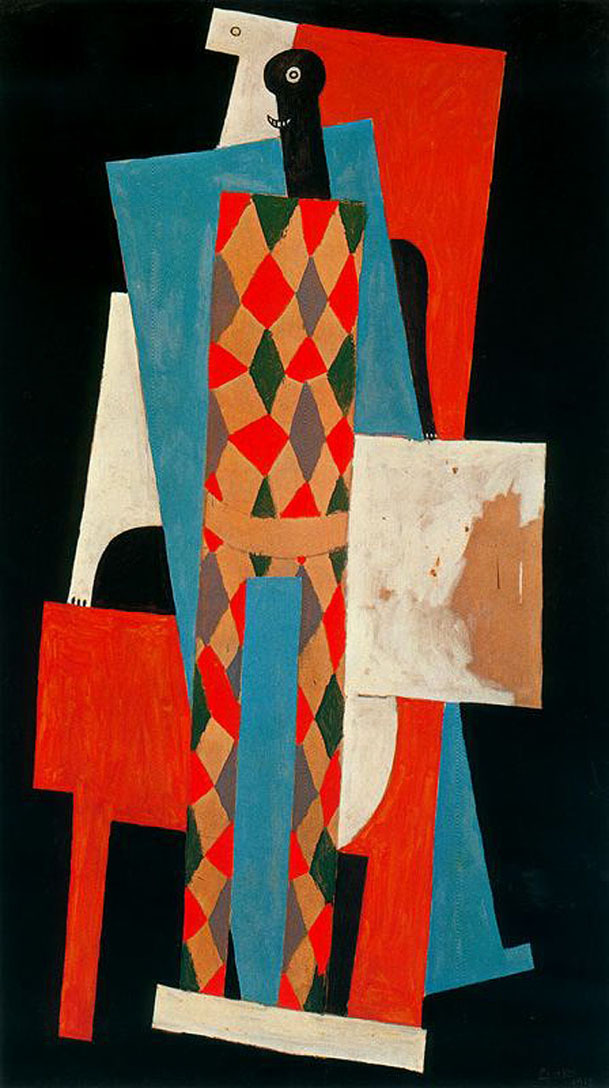
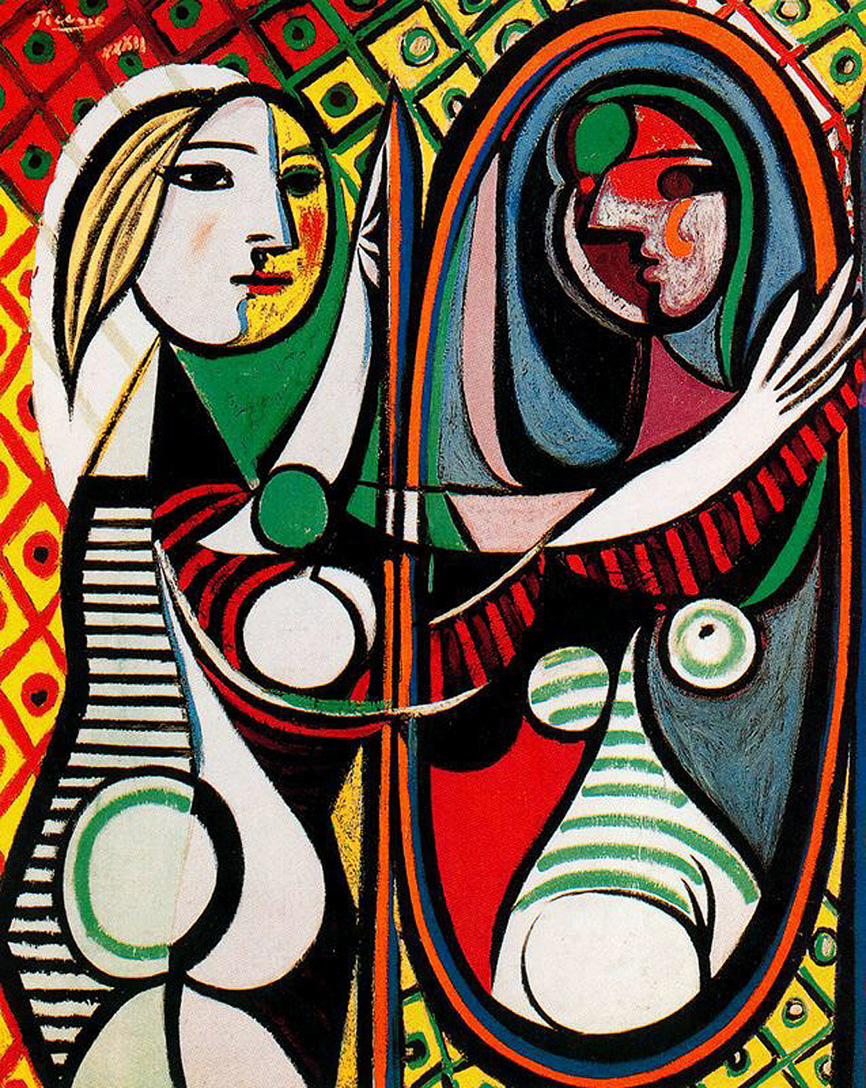
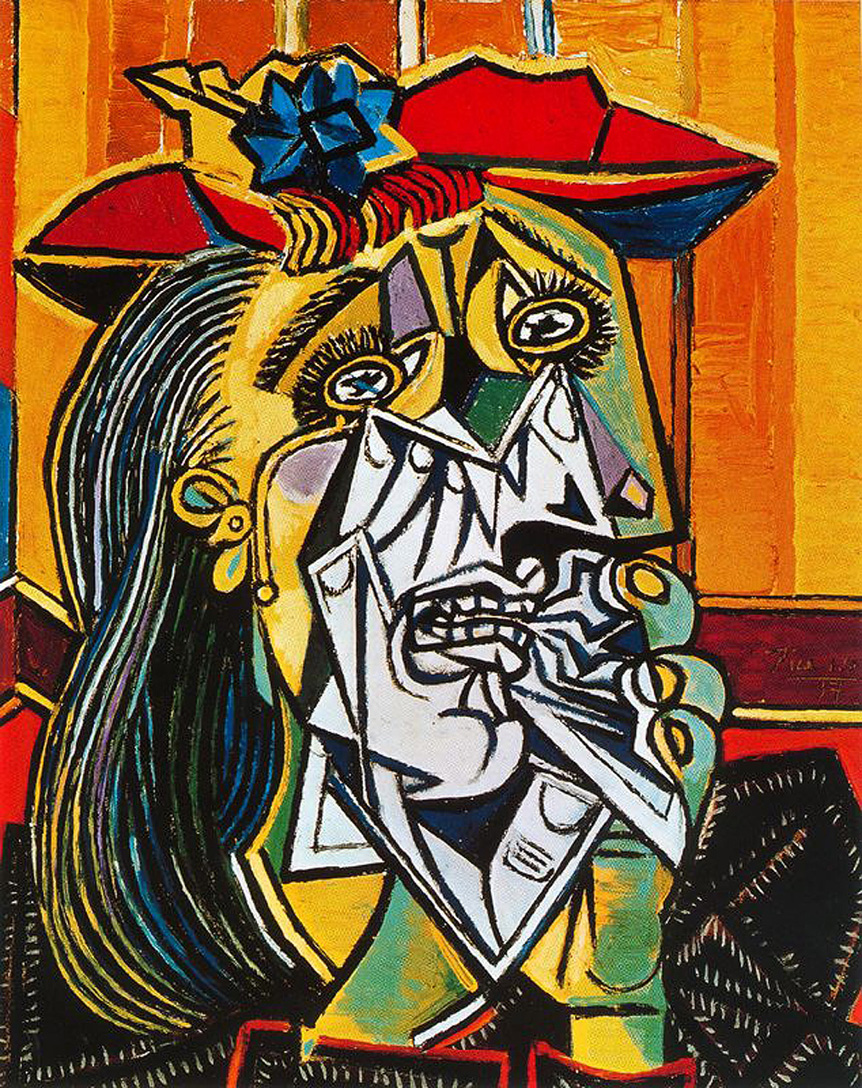
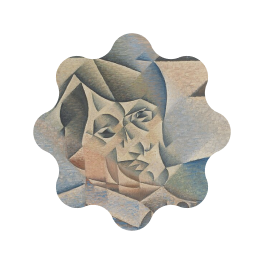
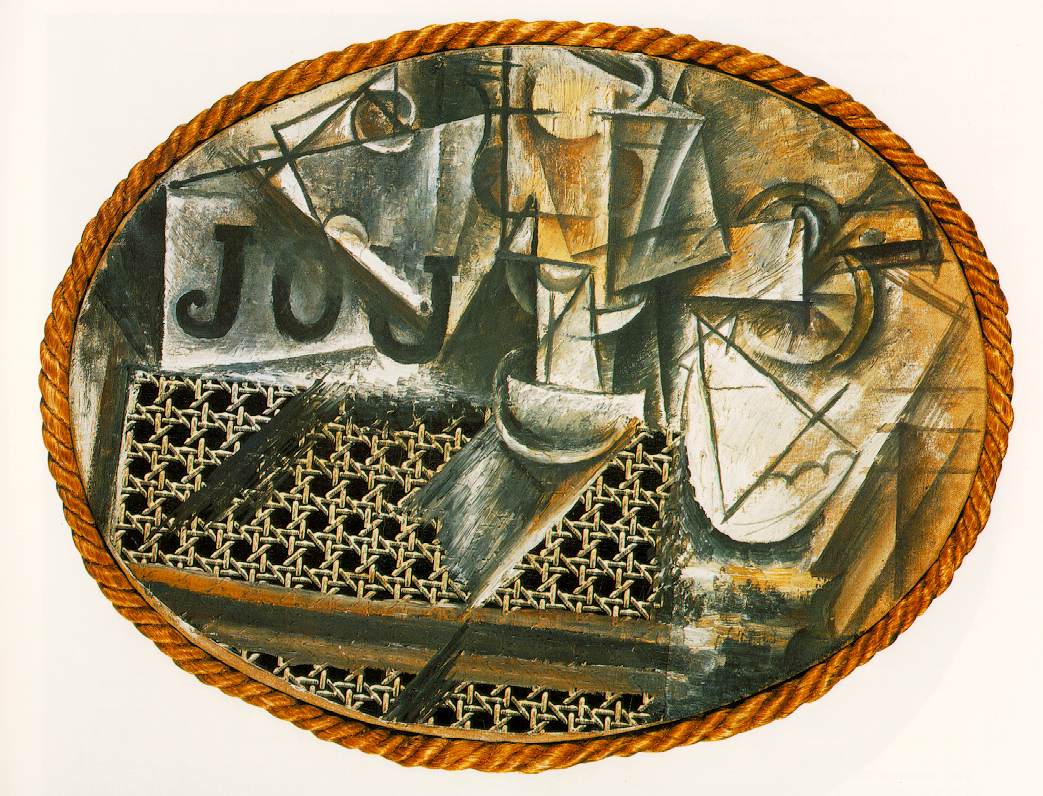
For centuries, Western painting had shown the world from a single, fixed viewpoint, as if reality could be captured through one still window. Cubism promised something radical: to paint not just what the eye sees, but what the mind knows, showing multiple angles and moments collapsed into a single image.
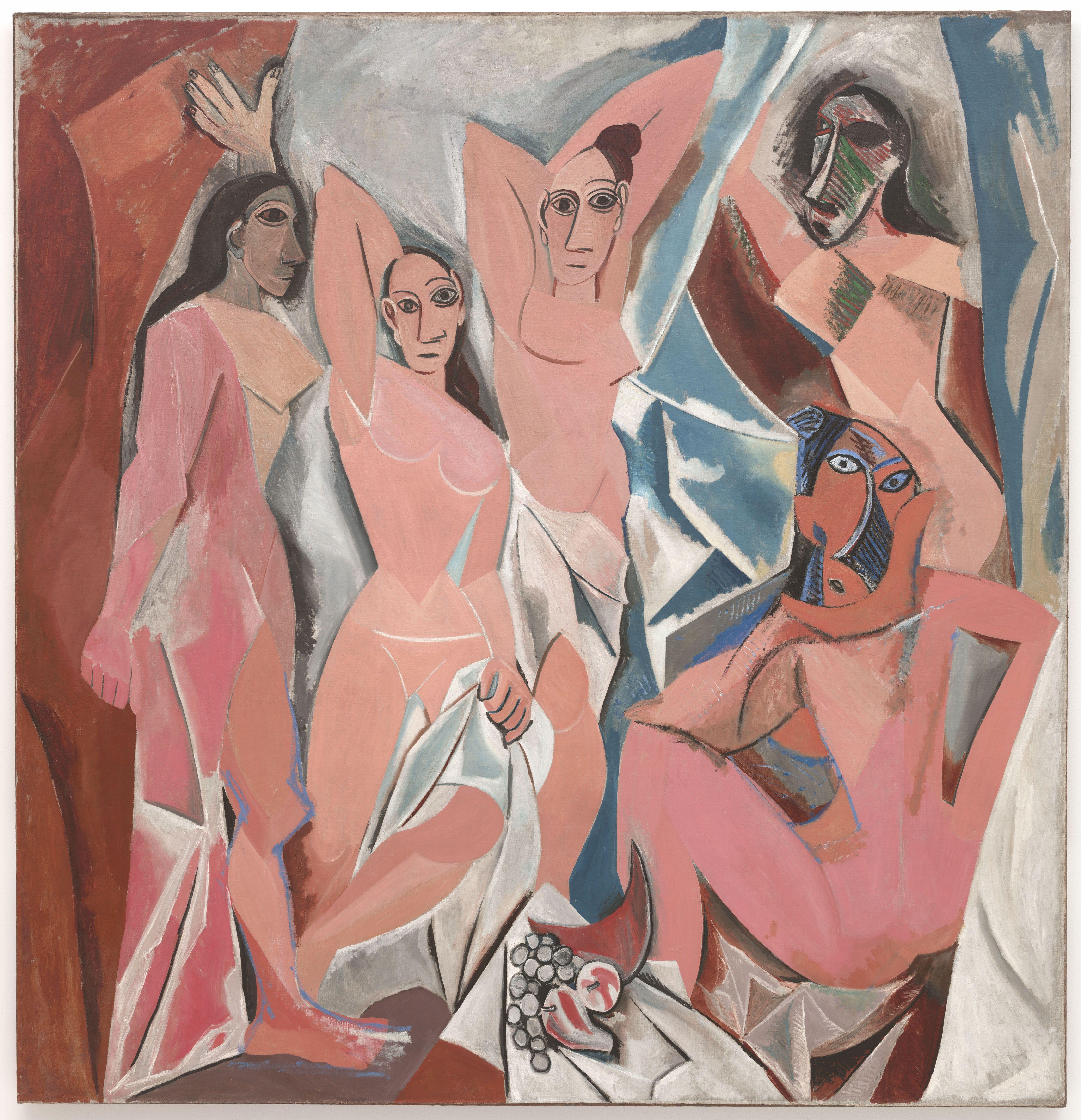
Les Demoiselles d'Avignon

Pablo Picasso
1907
Fracture as Structure
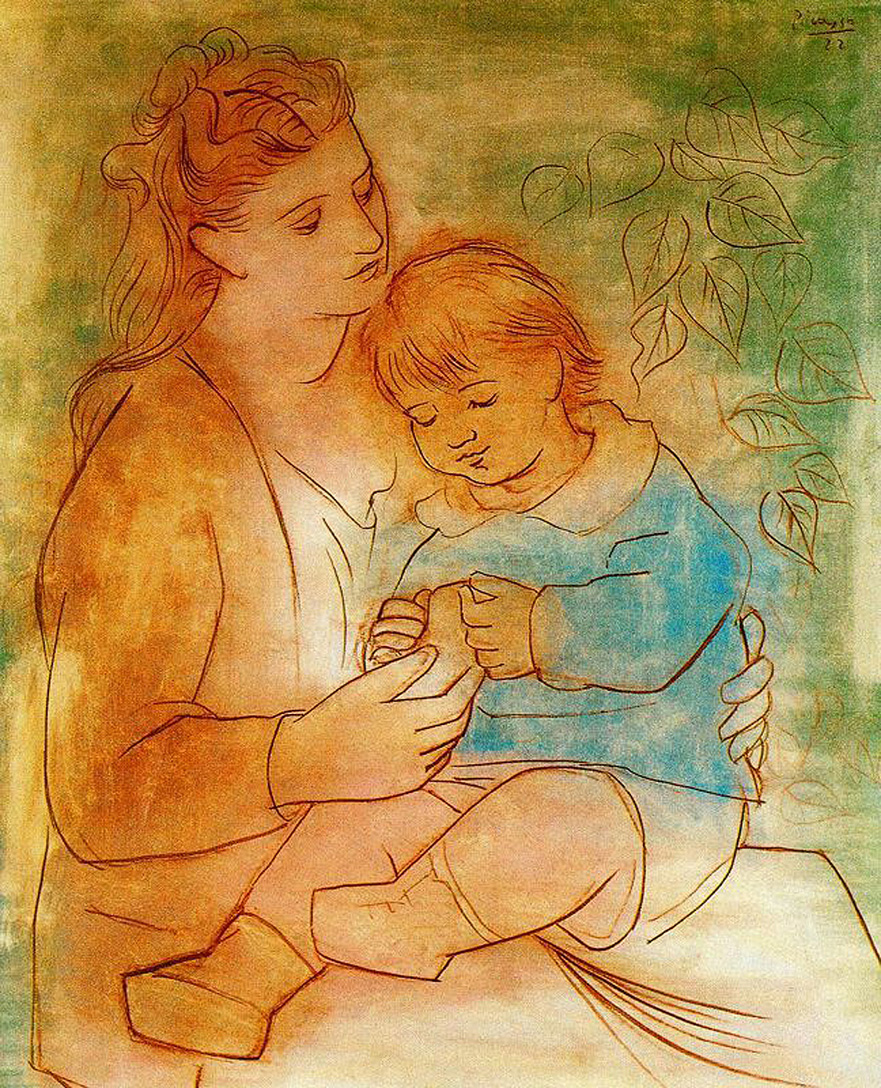
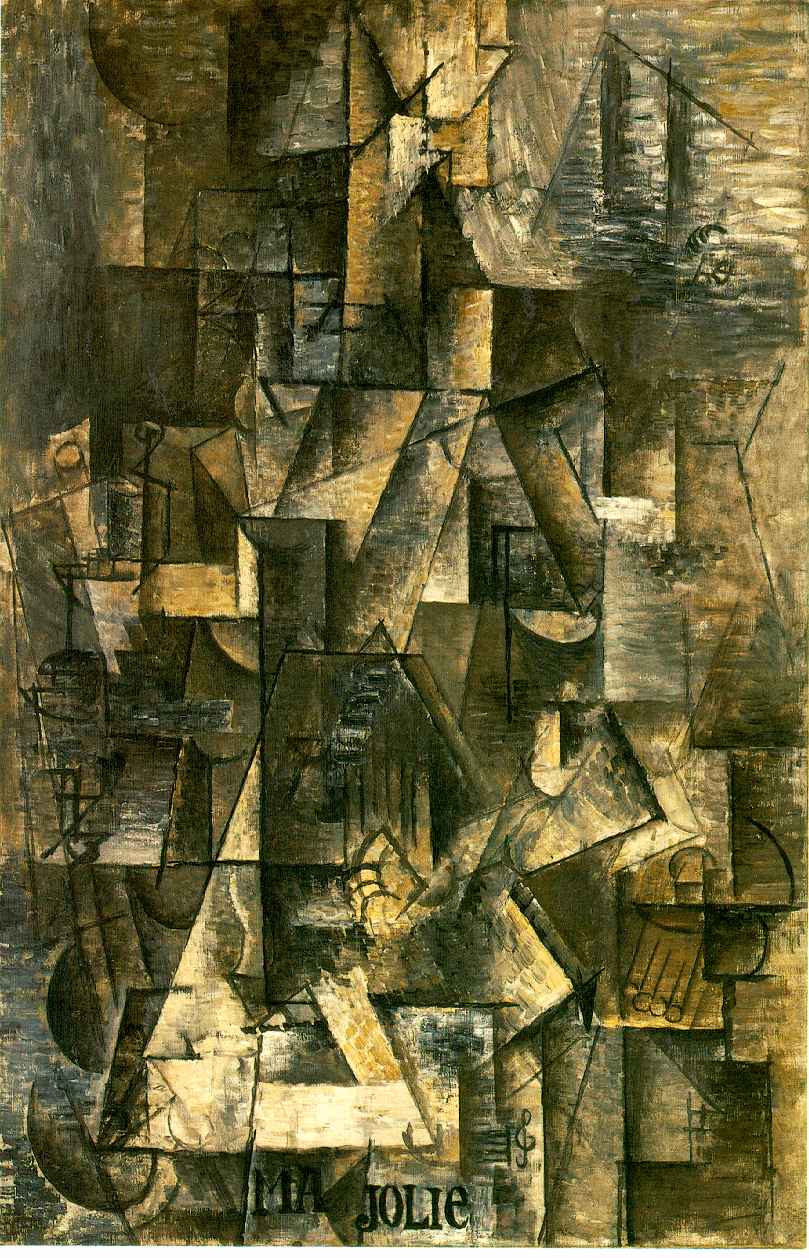
When you see forms broken into geometric planes, when faces show profile and frontal views at once, when space flattens and objects seem to shift as you look, you're probably in Cubism. Color often turns muted, letting structure dominate. Everyday subjects like guitars, bottles, and figures become puzzles reassembled on the canvas.
Artists


Artworks



.jpg)