Northern Renaissance










About
The Sacred in the Ordinary
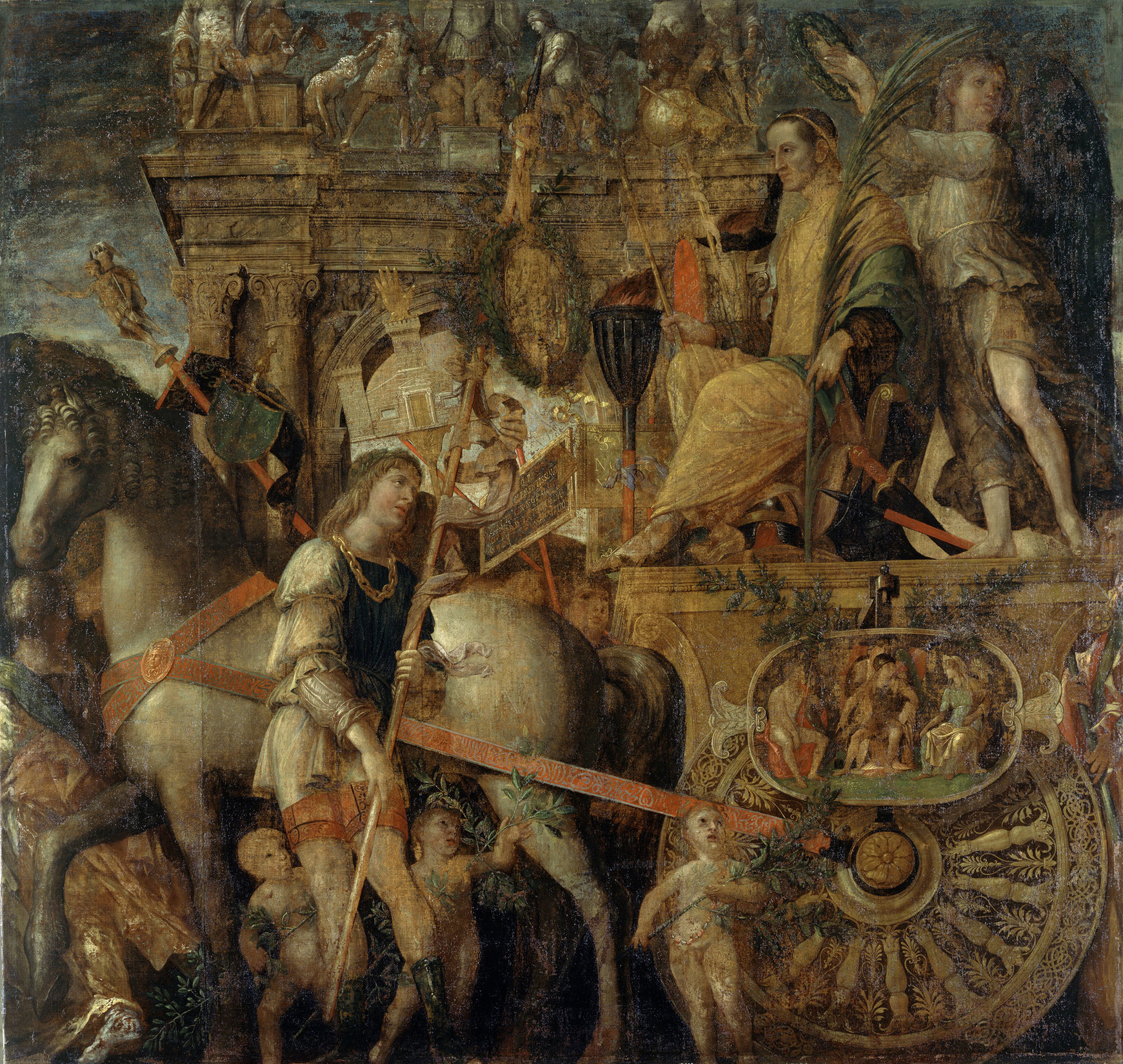
While Italian artists pursued idealized beauty and classical grandeur, painters in the North felt a different calling. The Northern Renaissance promised something quieter: that the divine could be found not in perfect bodies but in the gleam of a brass chandelier, the texture of velvet, the light falling through a window onto an ordinary room.

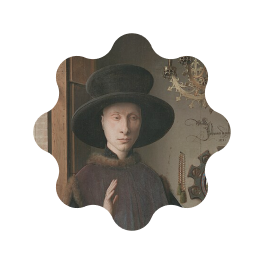
Arnolfini Portrait

Jan van Eyck
1434
Devotion Through Detail
When you see surfaces rendered with almost impossible precision, when every object seems to carry symbolic weight, when light reveals rather than sculpts, you're probably in the Northern Renaissance. Oil paint allowed for luminous glazes and minute detail. Domestic interiors became sacred spaces. Faces showed age, character, and mortality without apology.
Artists



Artworks