Impressionism


About
Light Escapes the Studio
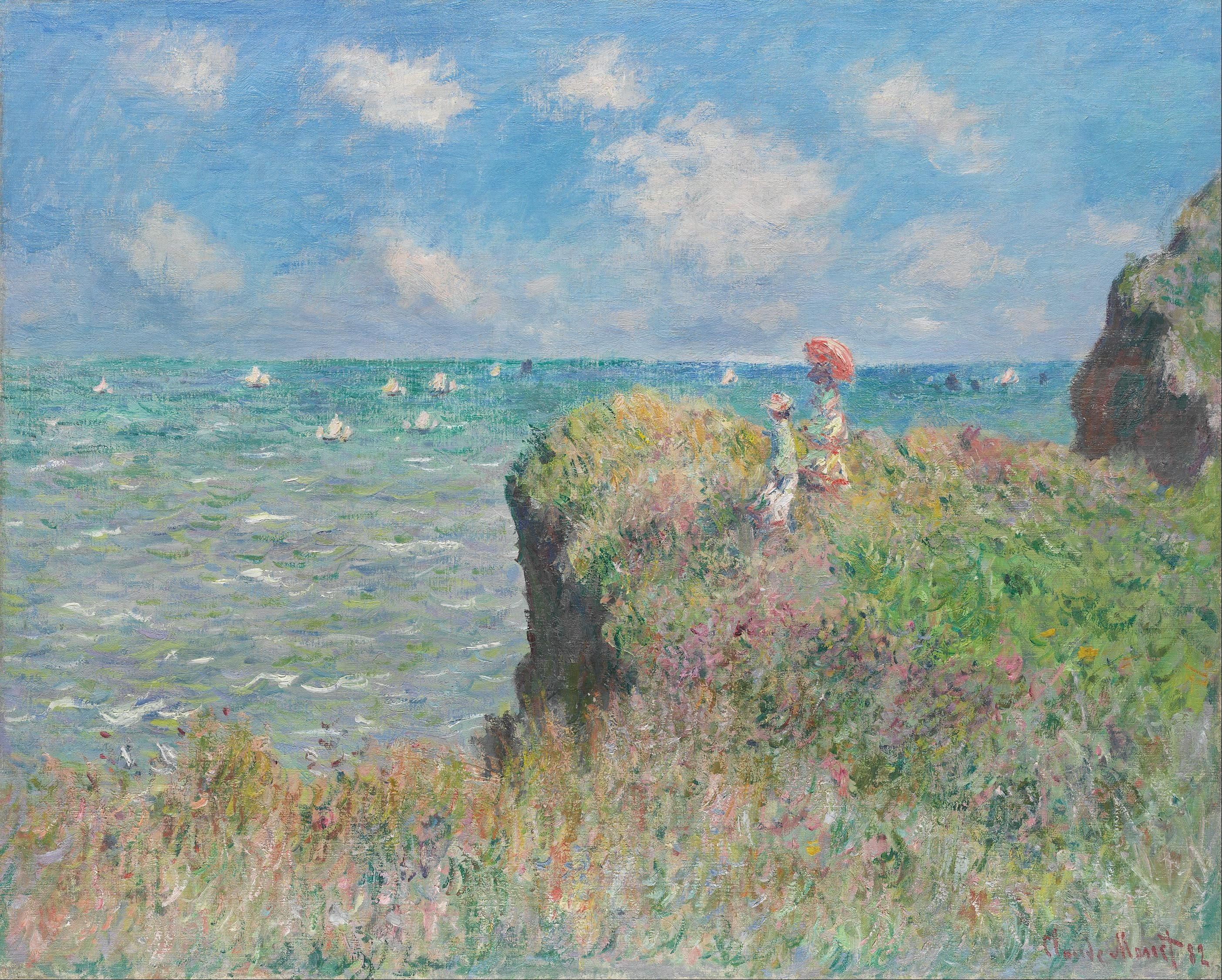
Academic painting had grown rigid, its polished surfaces and historical subjects confined to studio walls. Impressionism promised something radical: to chase fleeting light outdoors, capturing how a moment actually felt rather than how tradition said it should look.

Woman with a Parasol – Madame Monet and Her Son

Claude Monet
1875
The Visible Brushstroke
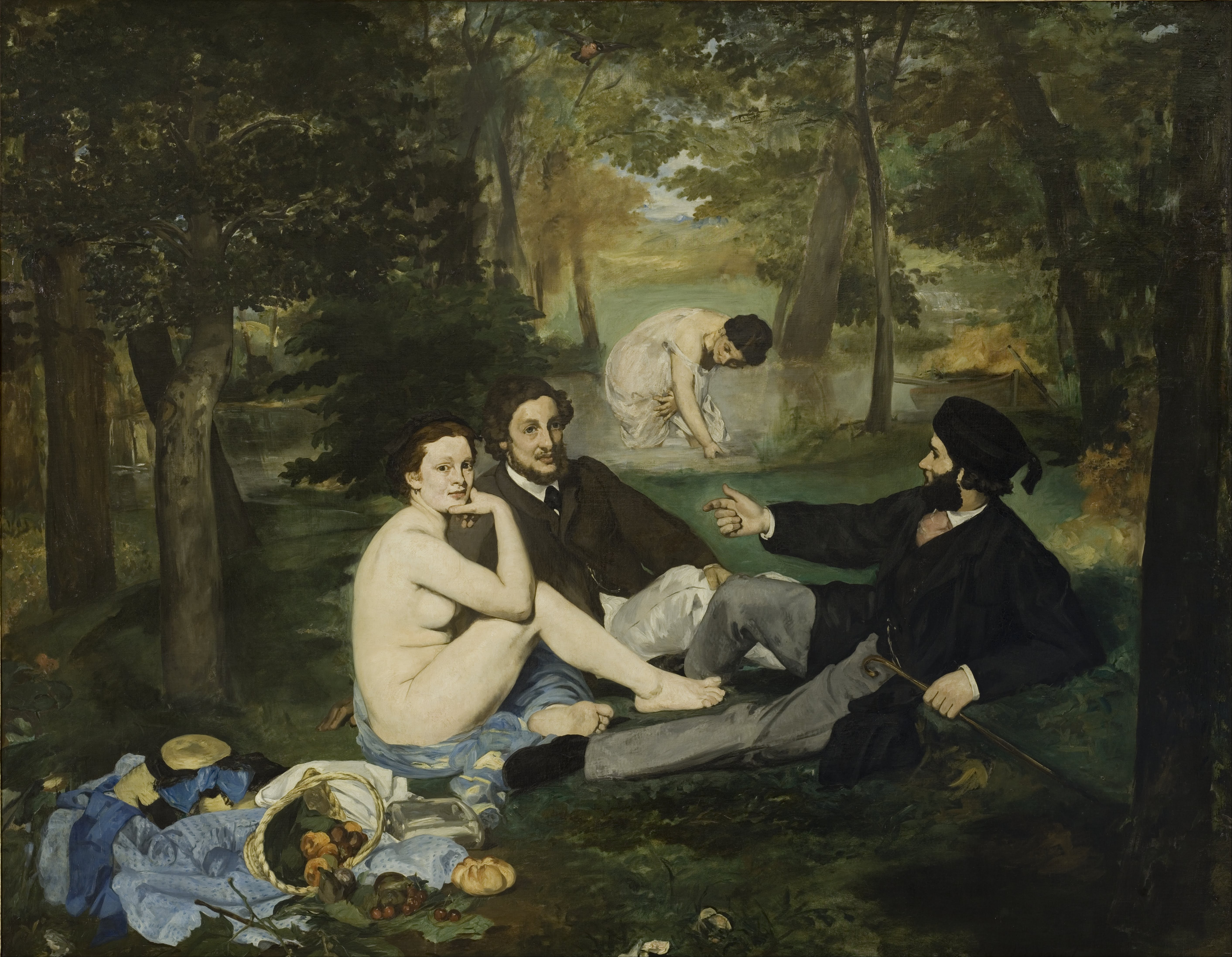
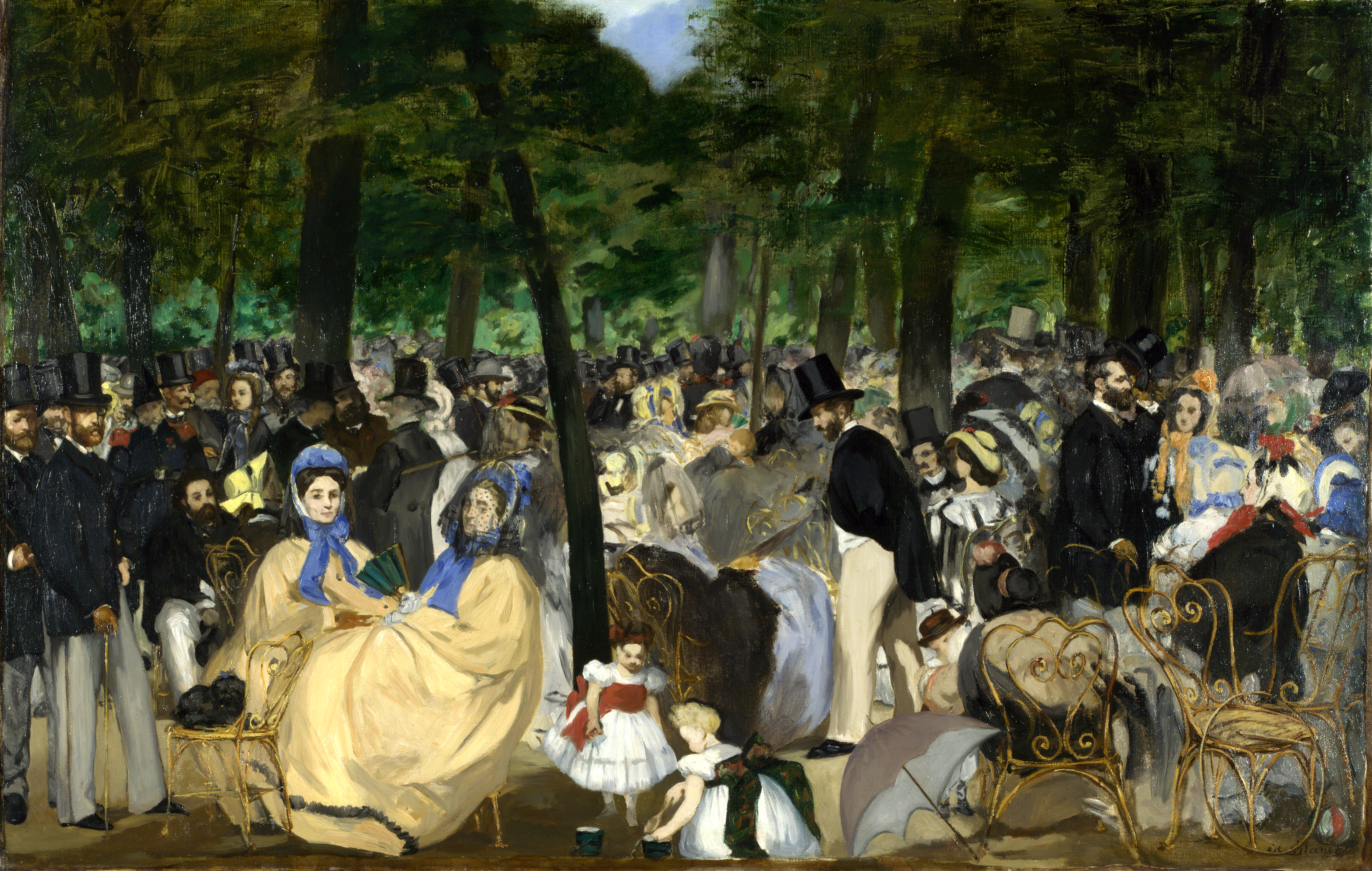
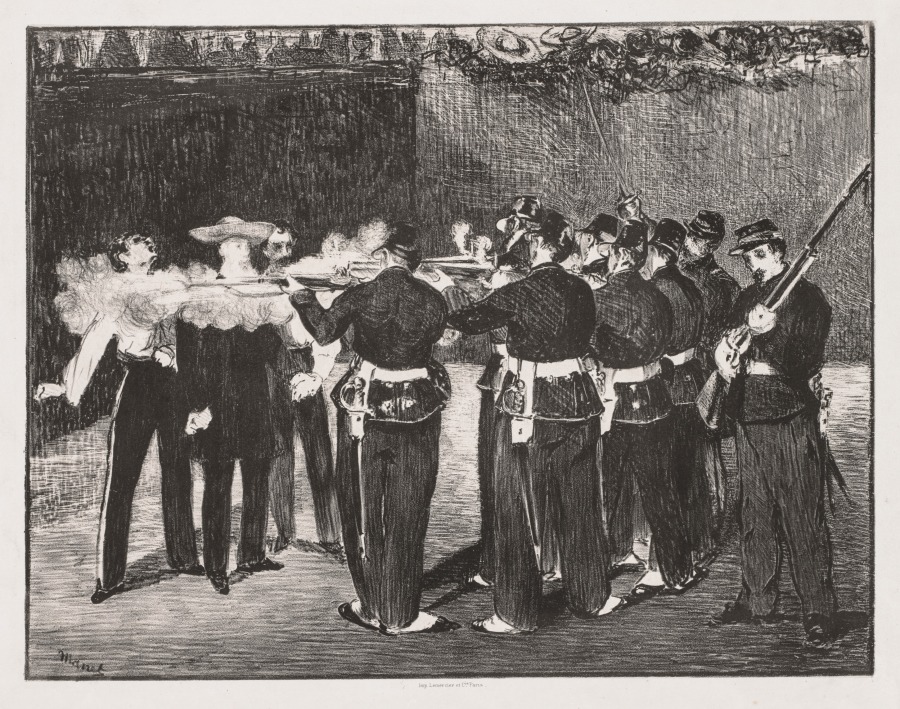
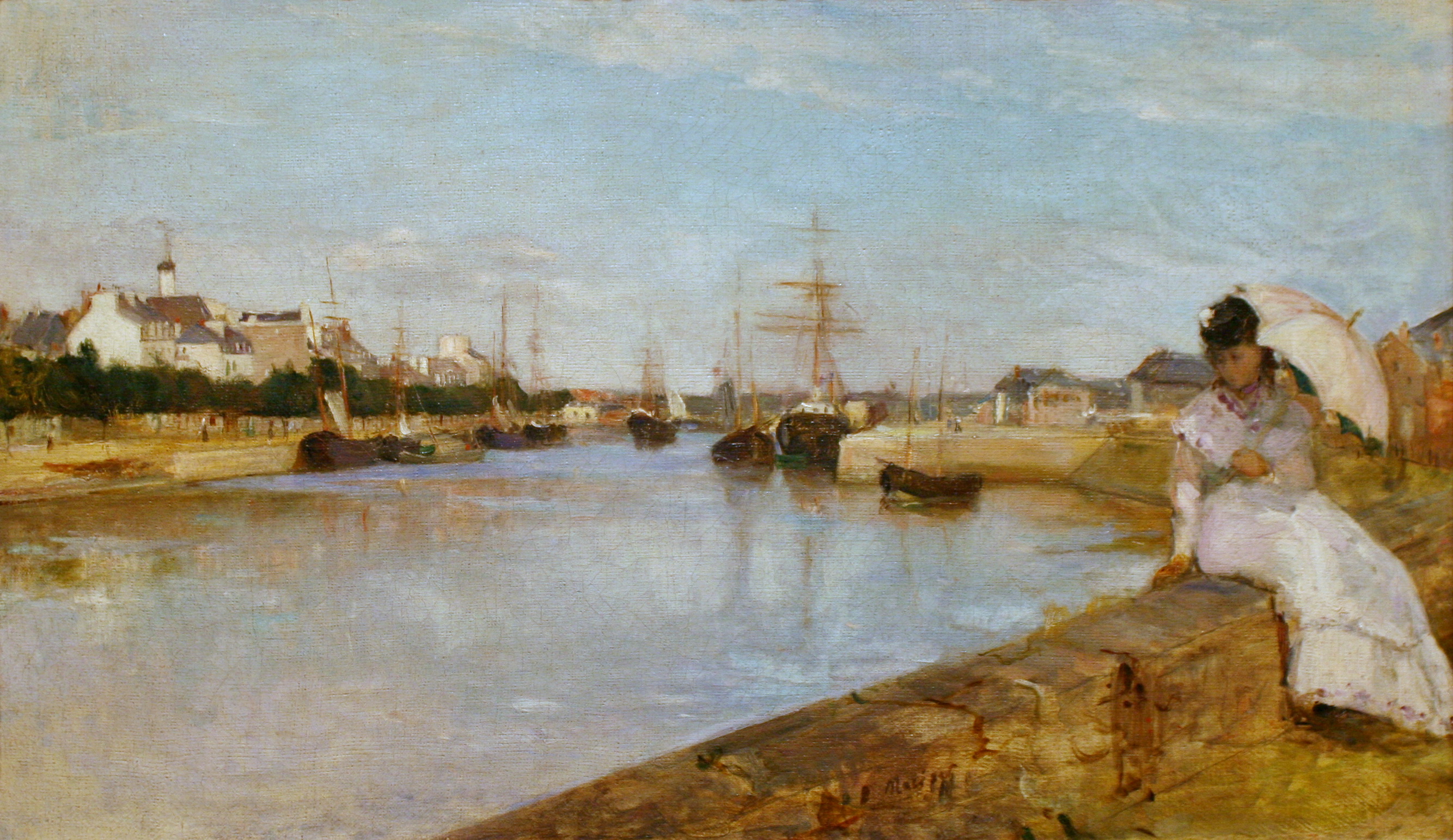
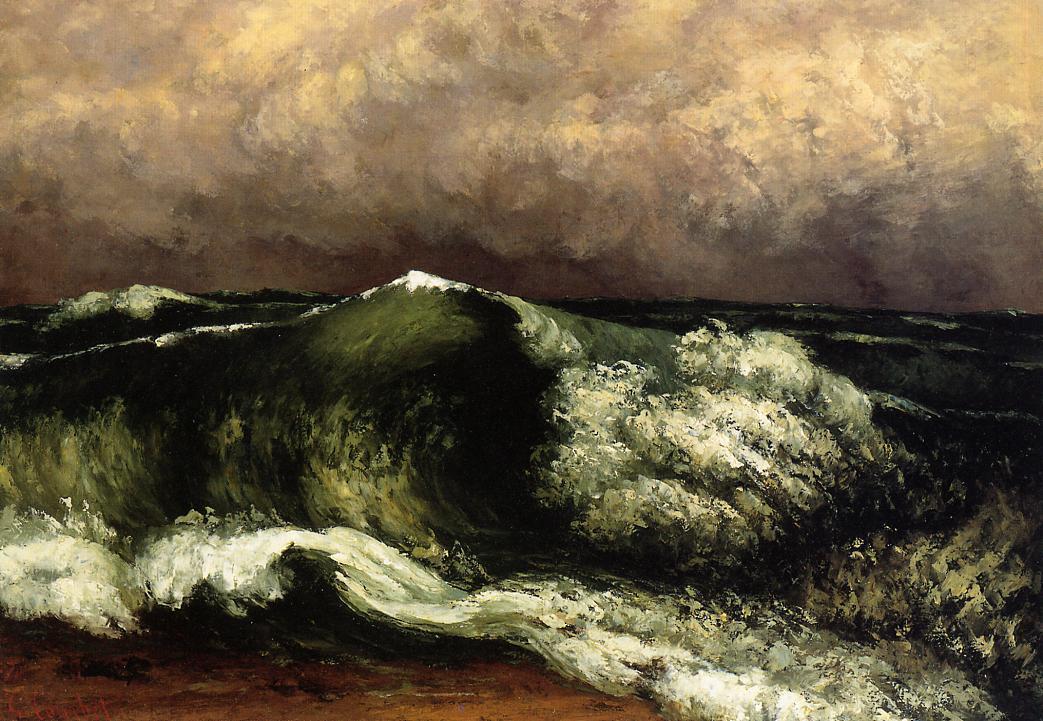
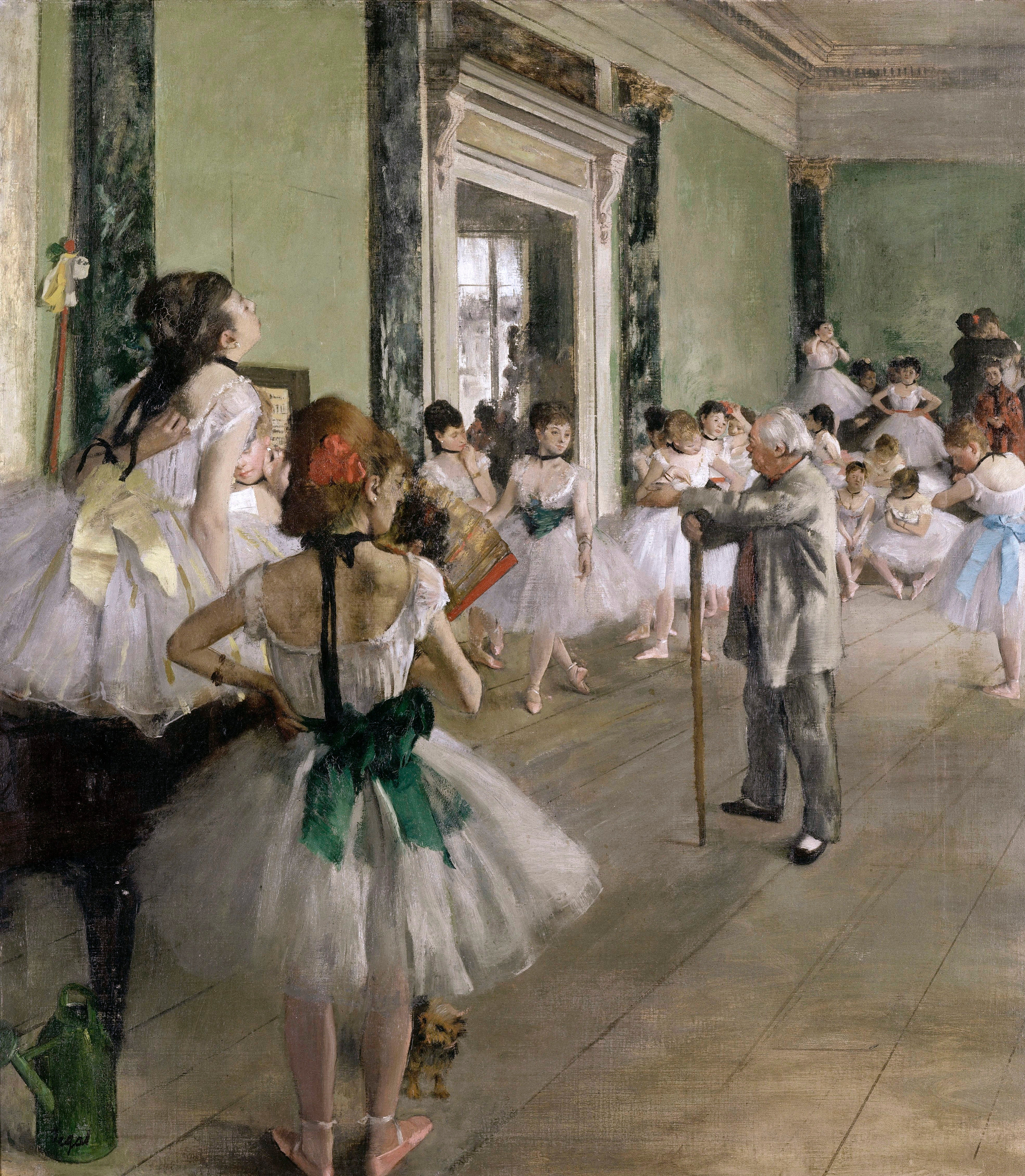
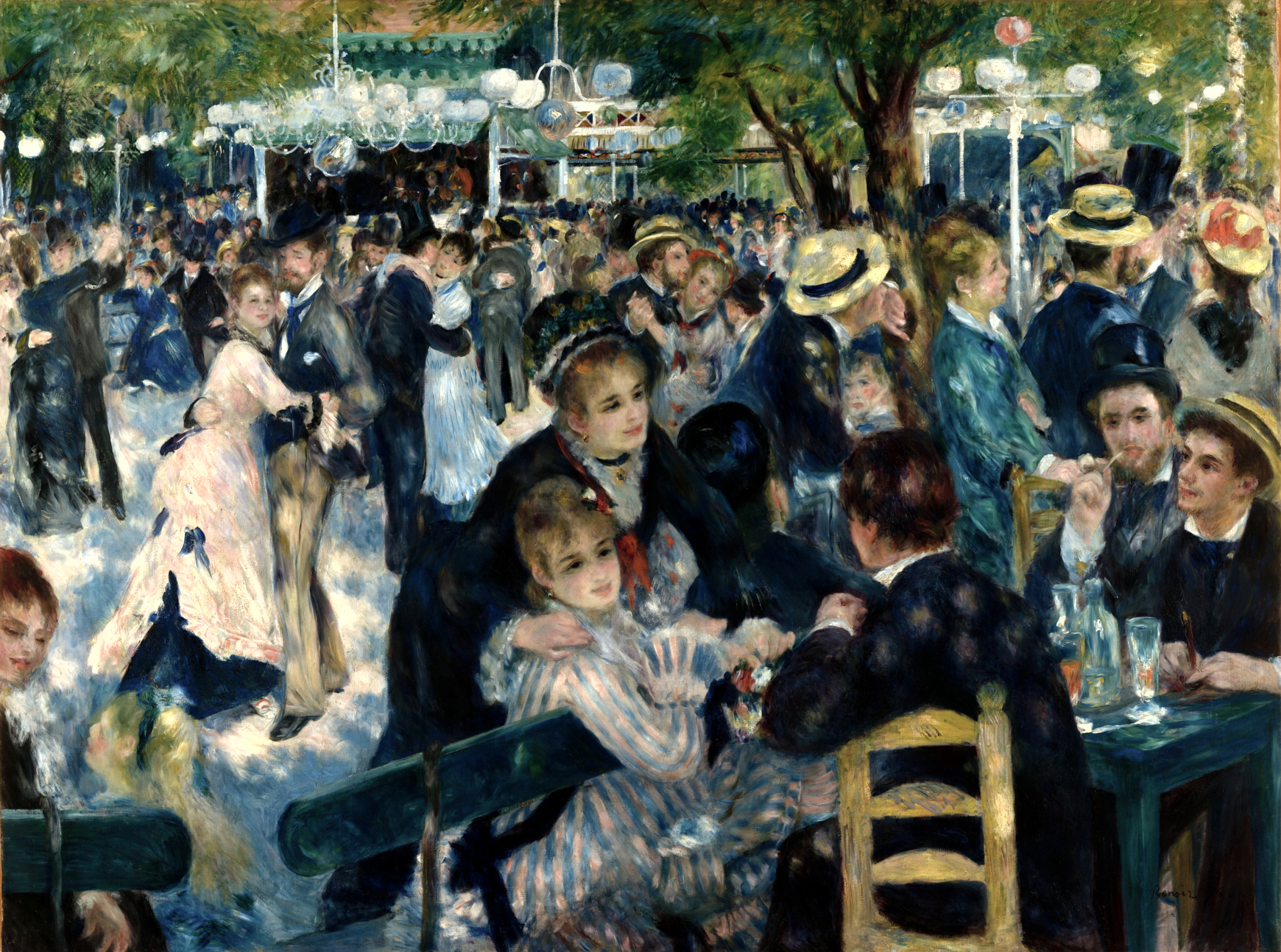
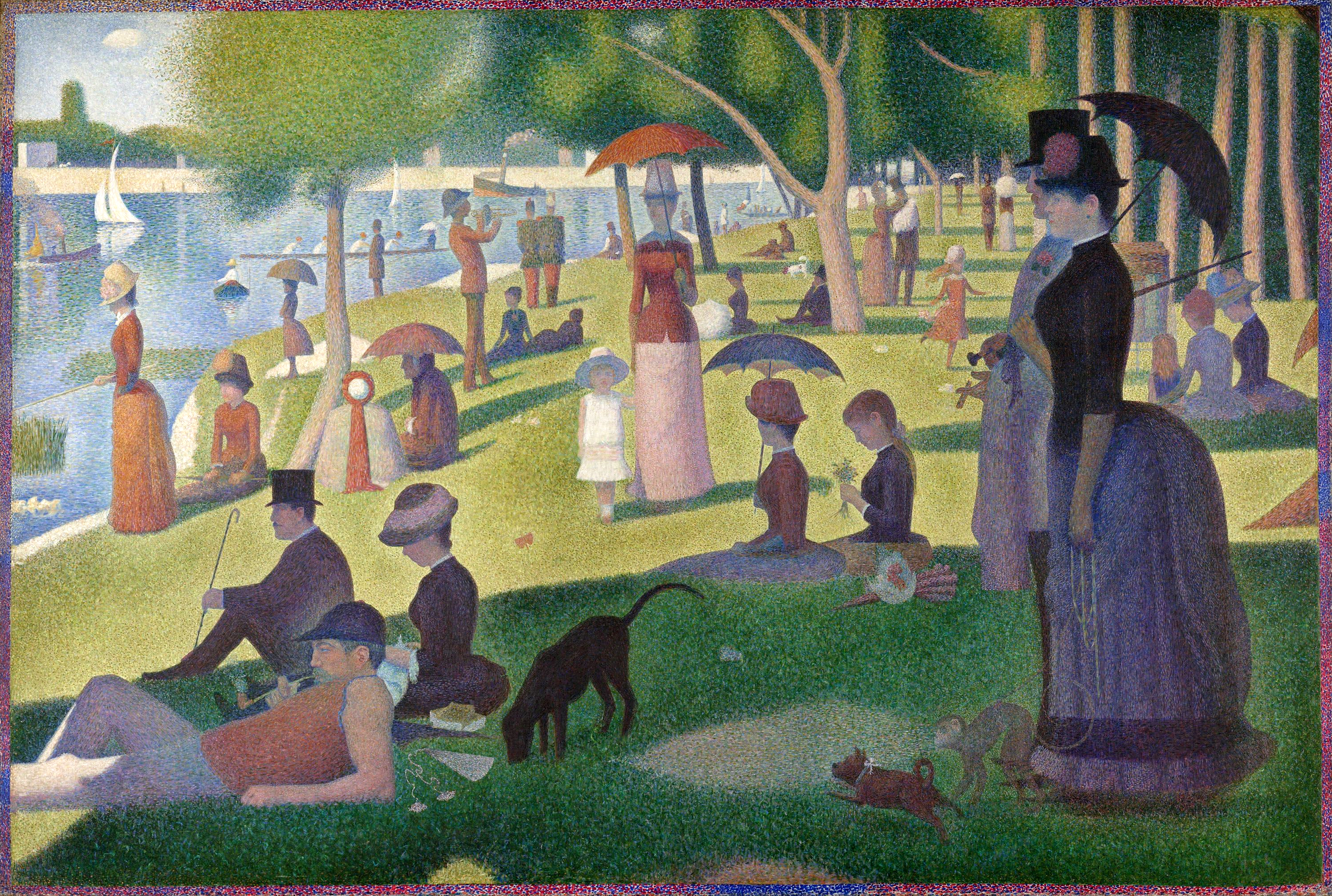
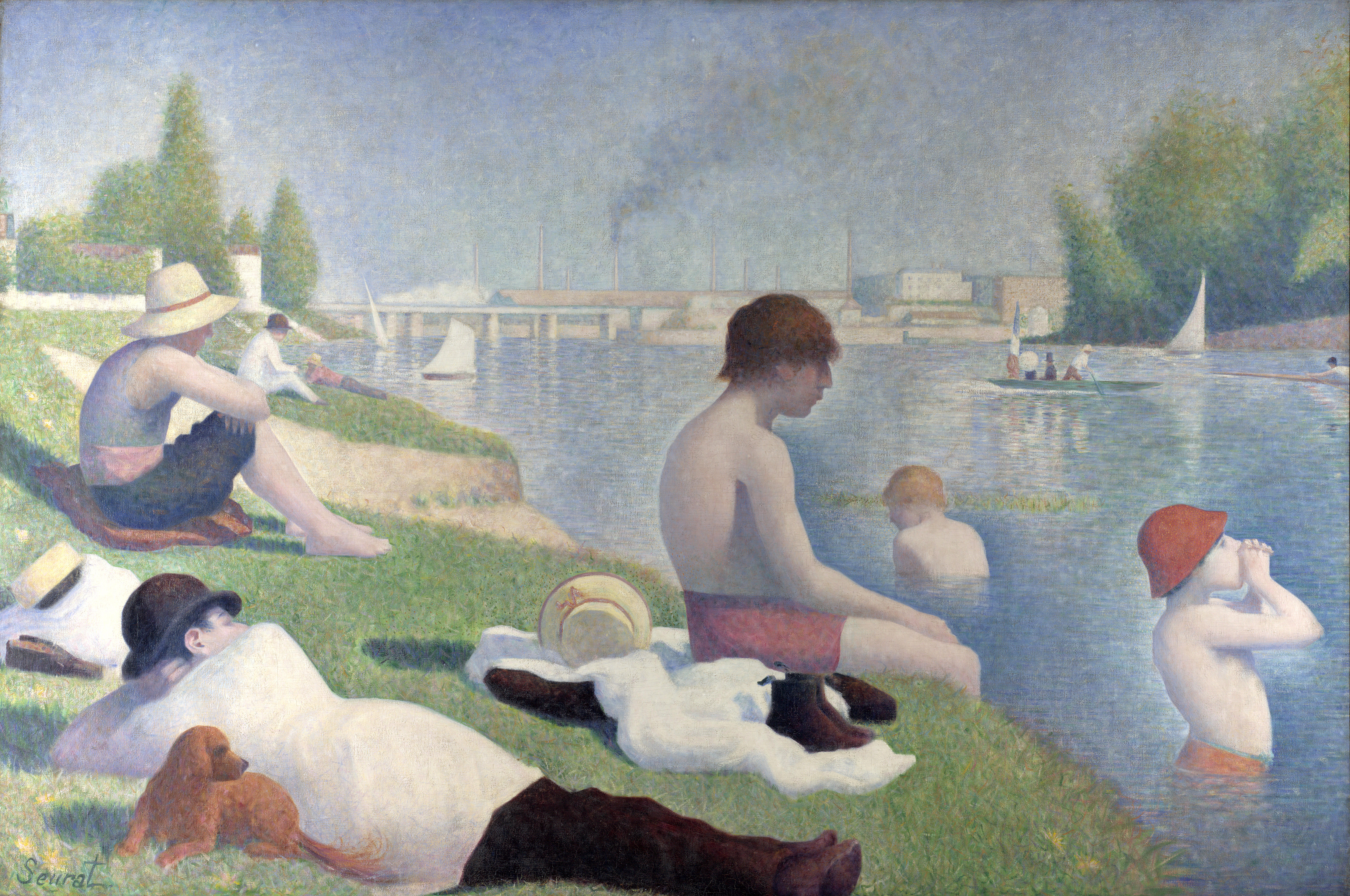
When you see loose, broken brushwork that dissolves edges, when colors mix in your eye rather than on the canvas, when shadows glow purple and blue instead of brown, you're probably in Impressionism. Compositions favor everyday scenes over mythology. Light becomes the true subject, shifting and alive.

Artists


Artworks