Rococo

About
The Weight of Grandeur
Baroque painting had filled Europe's palaces with drama, power, and moral weight, but by the early eighteenth century, all that seriousness began to feel heavy. Rococo promised something lighter: pleasure without guilt, beauty without burden, and art that existed simply to delight the eye and stir gentle feeling.

Pilgrimage to the Island of Cythera

Antoine Watteau
1717
Pleasure as Purpose
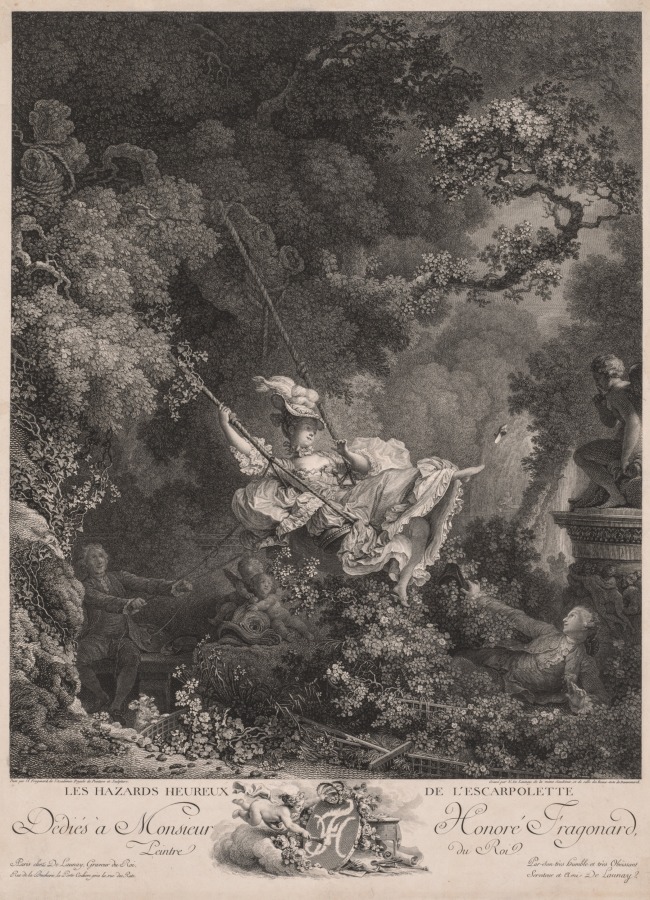
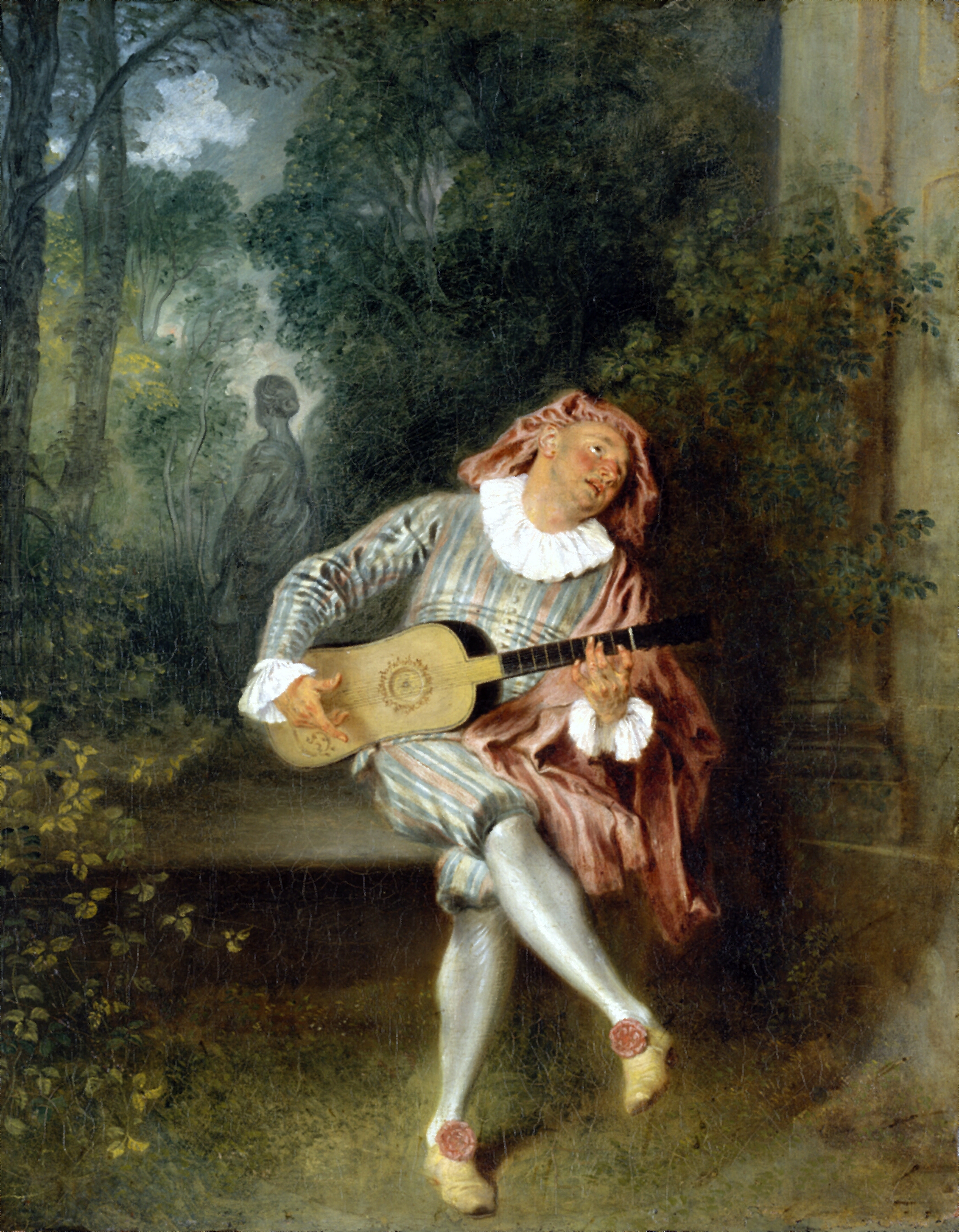
When you see pastel palettes, playful asymmetry, and figures lounging in dreamy gardens, you're probably in Rococo. Compositions curve and swirl rather than anchor; light feels soft and diffused, not dramatic. Subjects favor flirtation, fantasy, and aristocratic leisure. This was art made for intimate salons, not cathedrals, celebrating private joy over public virtue.
Artists


Artworks