Realism
About
The Ordinary Reclaimed
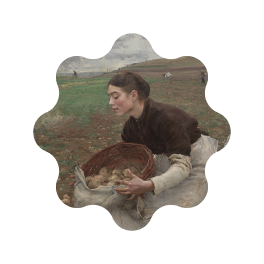
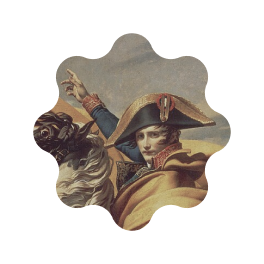
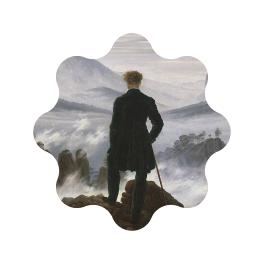
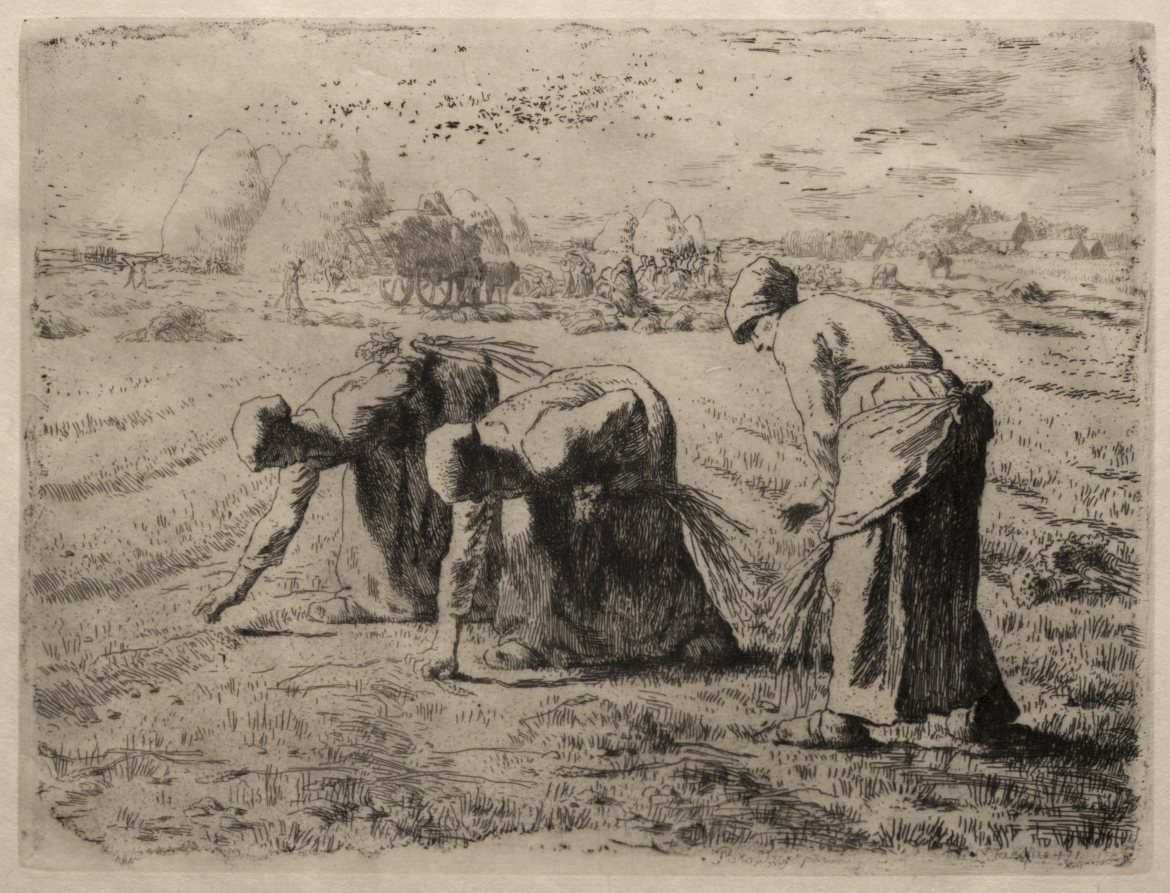
Romanticism had filled canvases with heroic visions and emotional extremes, but everyday life remained invisible, unworthy of serious attention. Realism promised something radical: that peasants breaking stones, workers gleaning fields, and funerals in small towns deserved the same monumental treatment once reserved for gods and kings.

The Stone Breakers

Gustave Courbet
1849
Truth Without Flattery
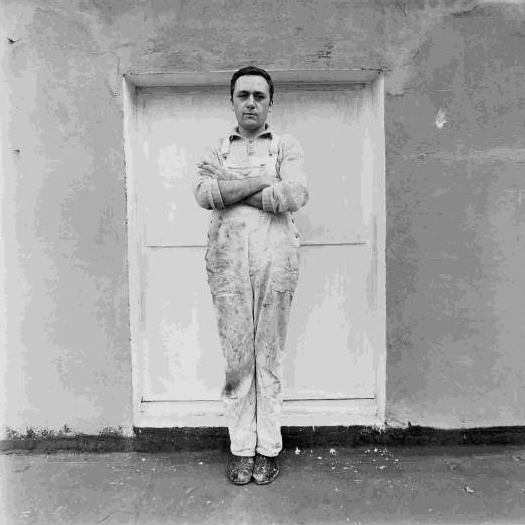
When you see labor depicted without nobility, bodies shown tired rather than idealized, and compositions that refuse dramatic lighting or heroic poses, you're probably in Realism. Subjects come from contemporary life, not history or myth. Paint itself feels honest, even rough. This was art that insisted on looking directly at the world as it was, not as anyone wished it to be.
Artists


Artworks