Dutch Golden Age







About
The Dignity of the Ordinary
For centuries, painting served gods, kings, and classical heroes, leaving everyday life in the margins. The Dutch Golden Age promised something radical: that a merchant's parlor, a kitchen maid pouring milk, or light falling on a canal could hold as much meaning as any mythological scene.

The Milkmaid

Johannes Vermeer
1953
Light as the True Subject
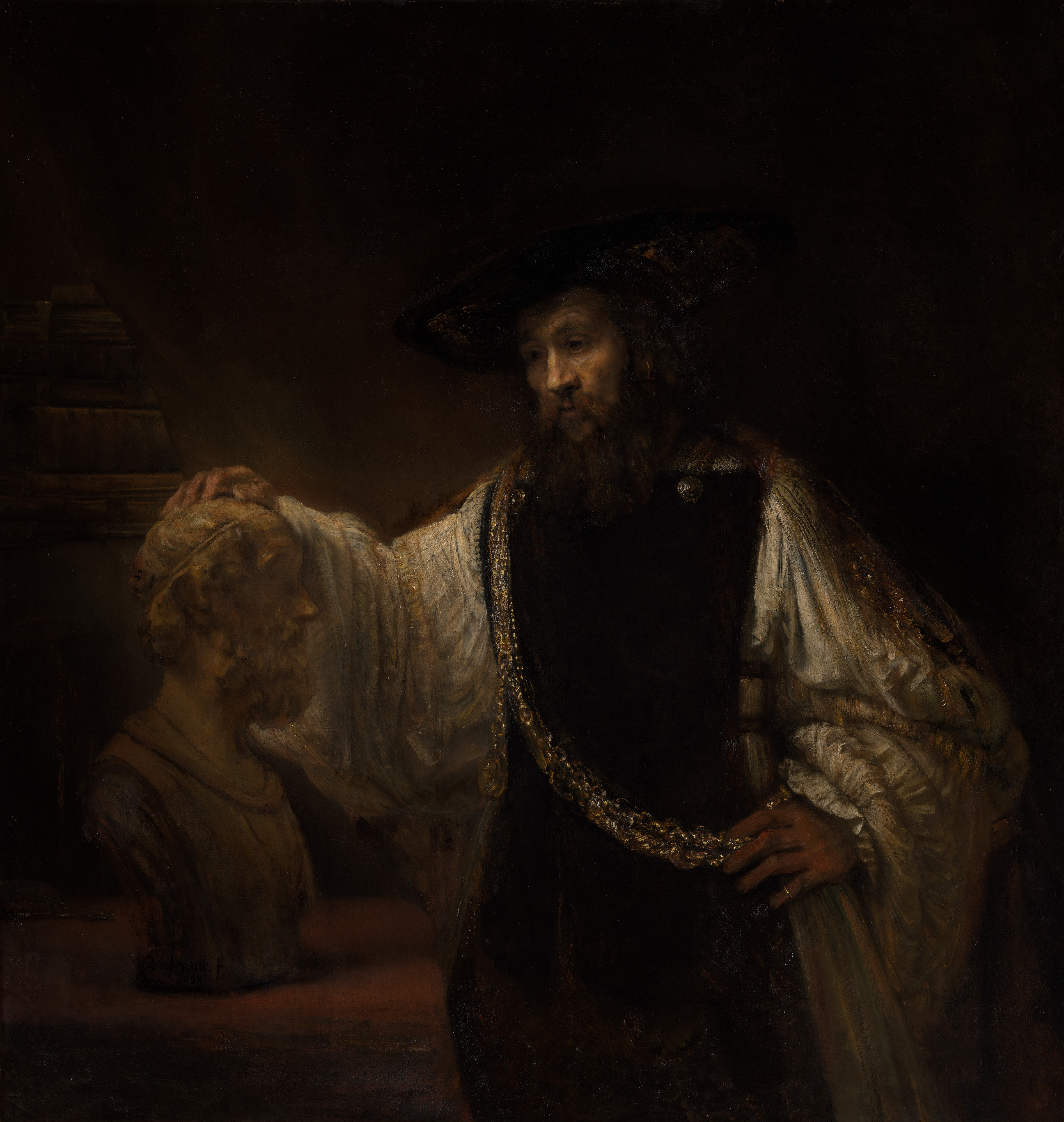
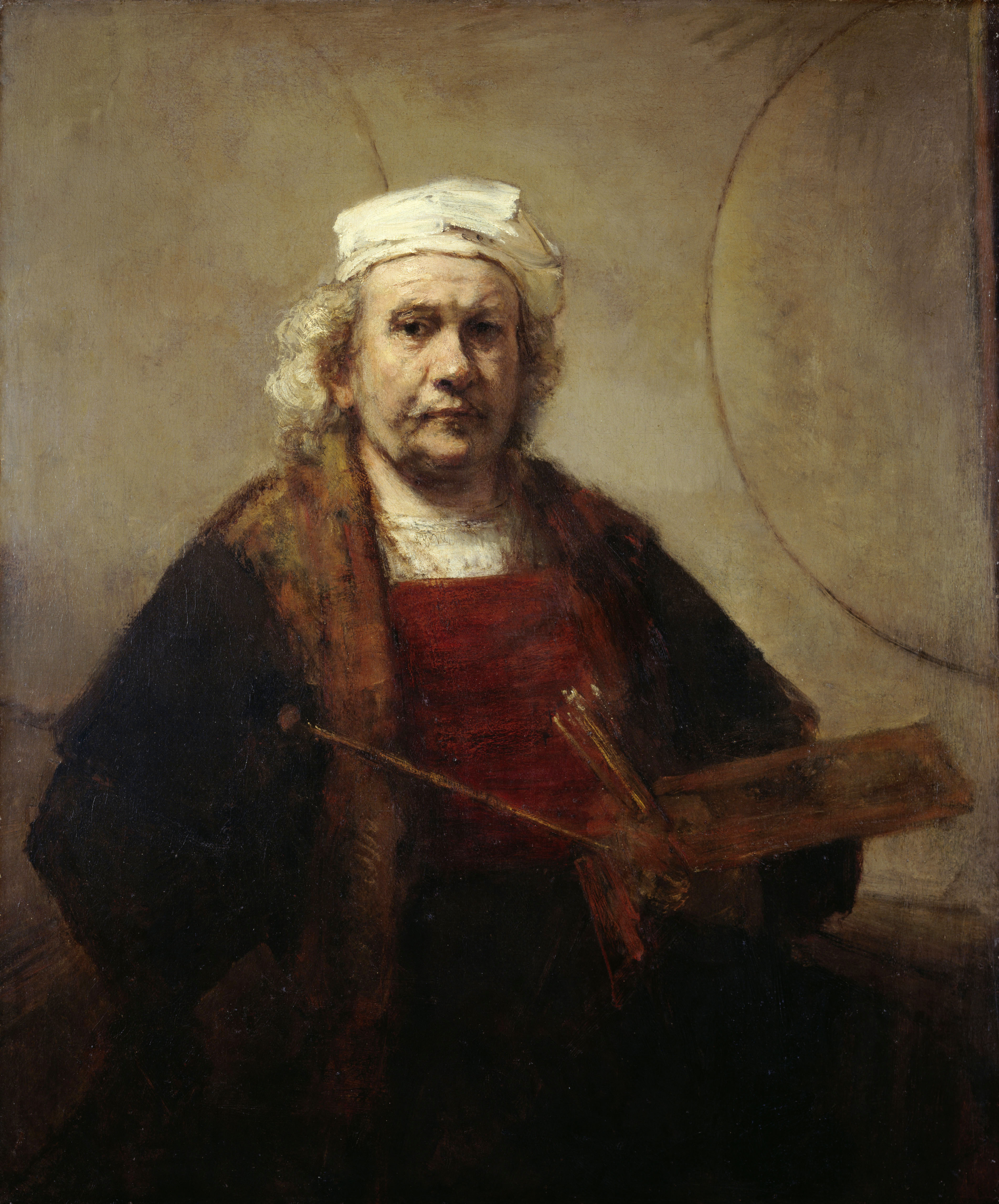
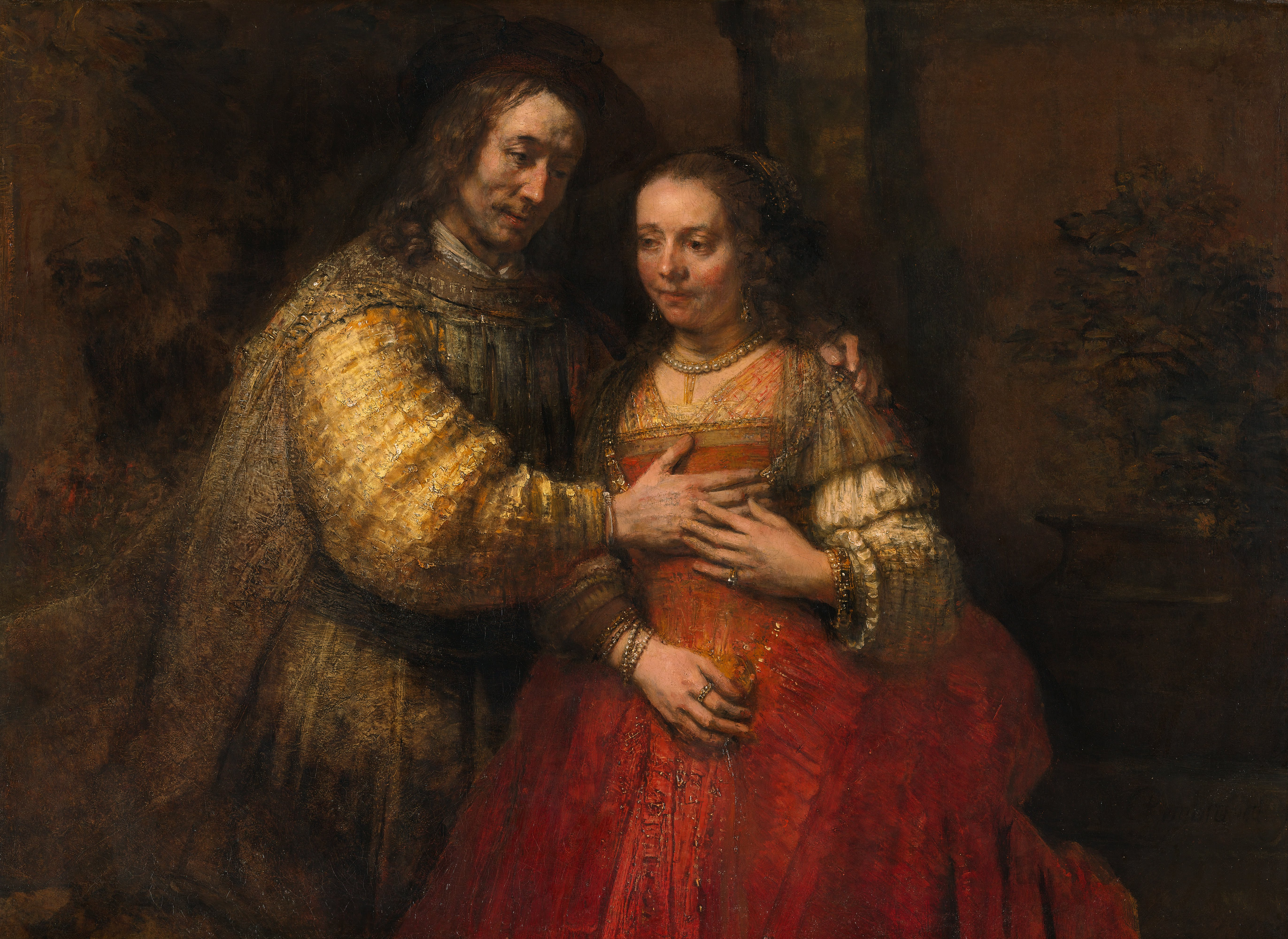

When you see domestic interiors bathed in soft window light, when faces emerge from deep shadow with startling intimacy, when still life objects glow with quiet reverence, you're probably in the Dutch Golden Age. Paintings were made for private homes, not churches, commissioned by citizens who wanted their world reflected back with honesty and craft.

Artists




Artworks