Post-Impressionism
About
Beyond the Fleeting Moment
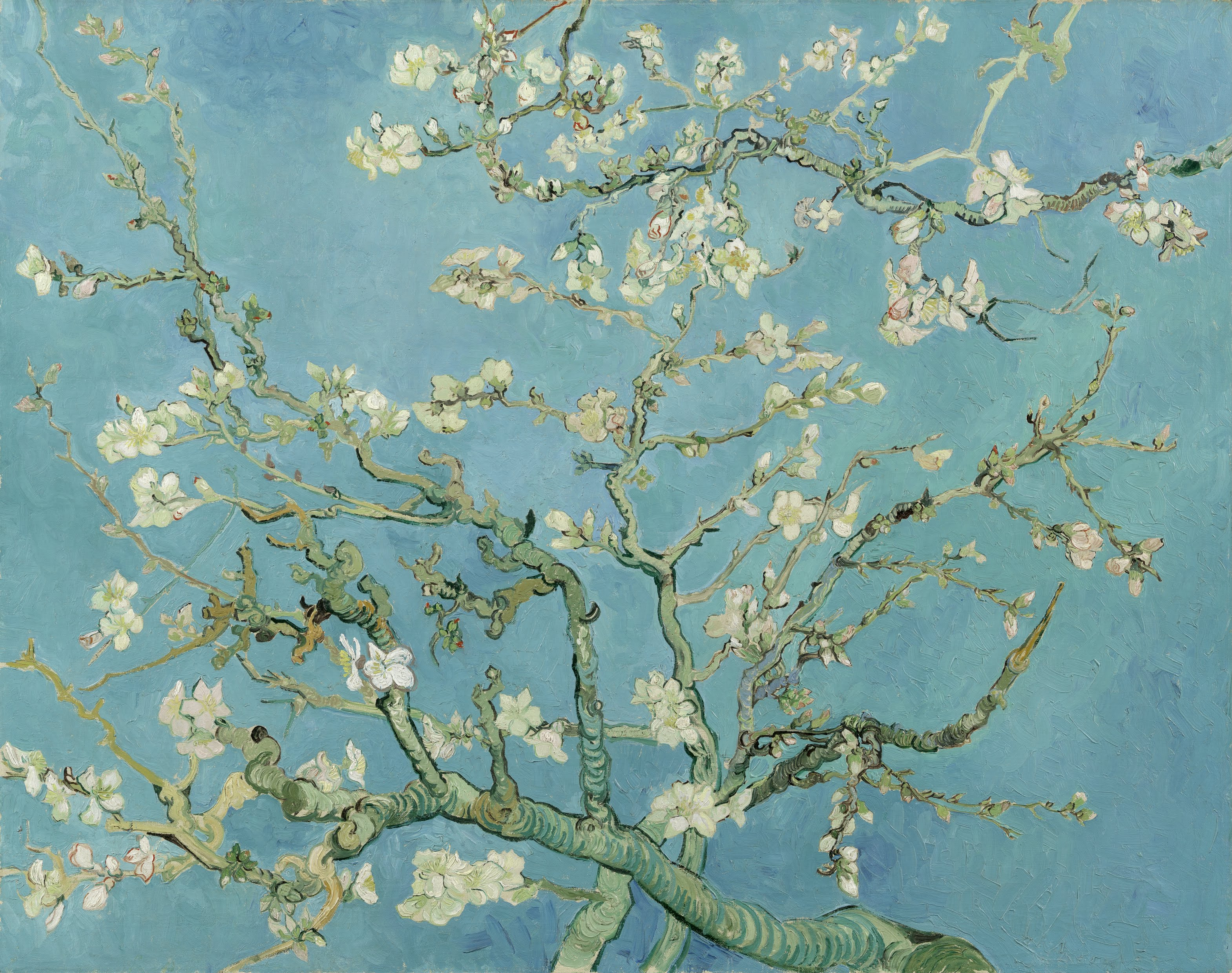
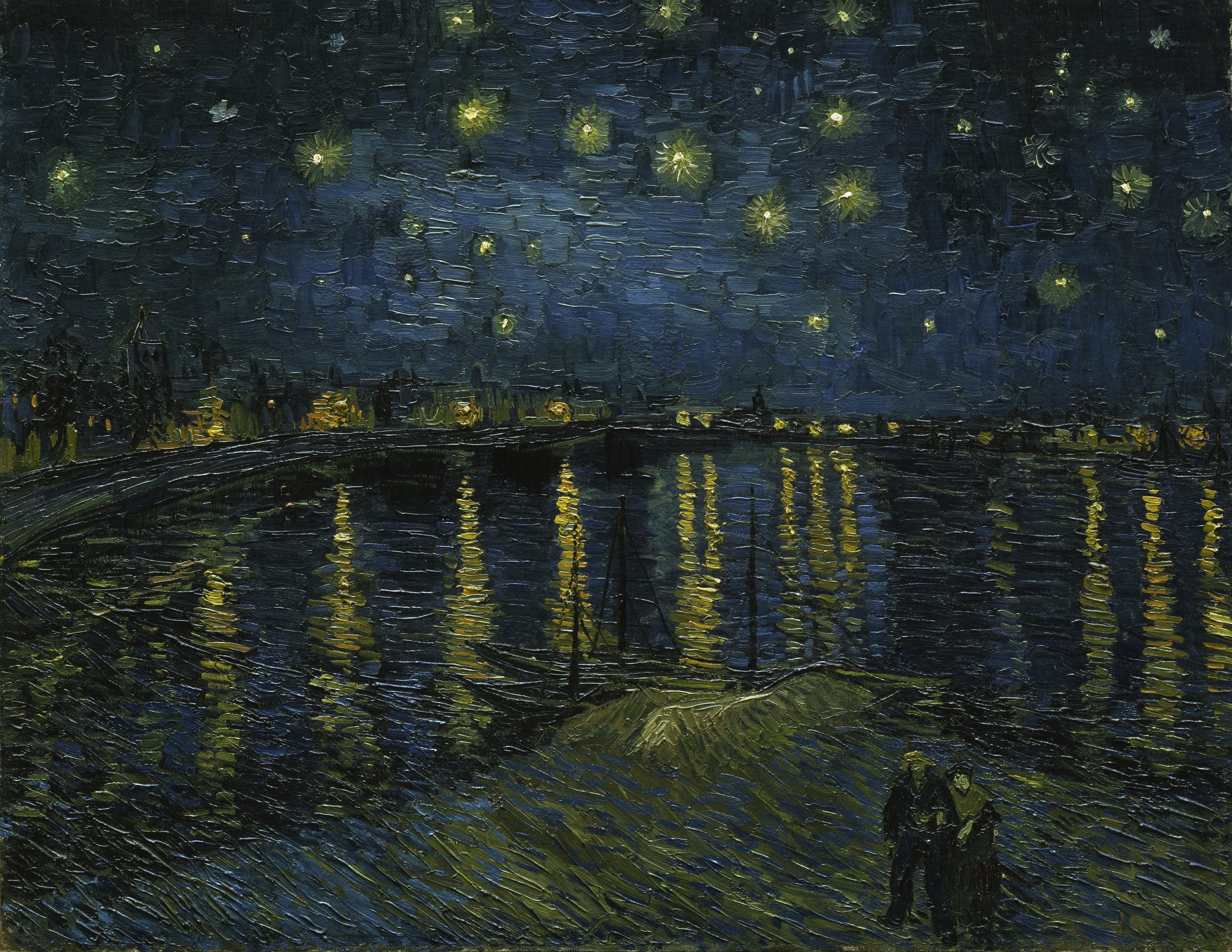
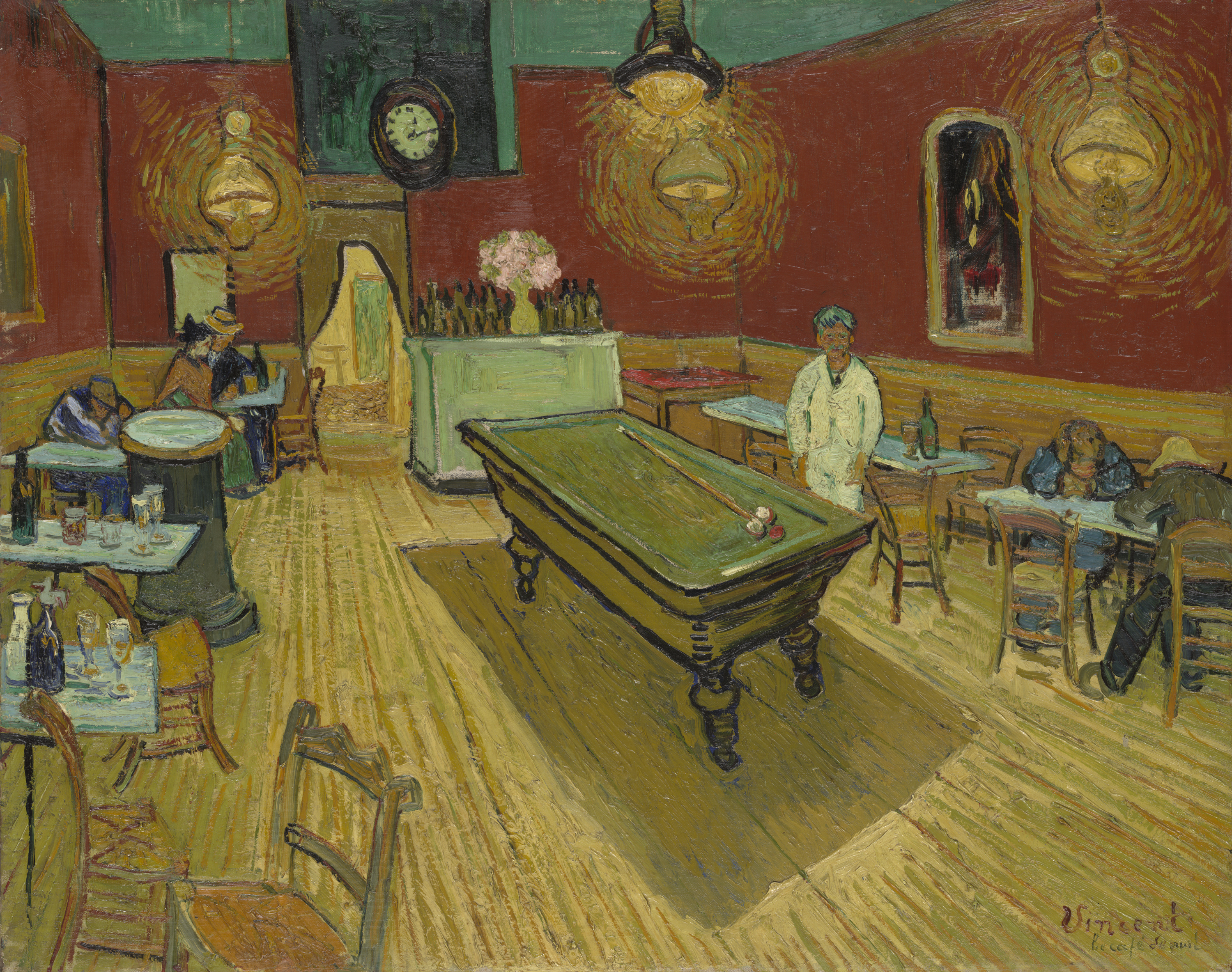
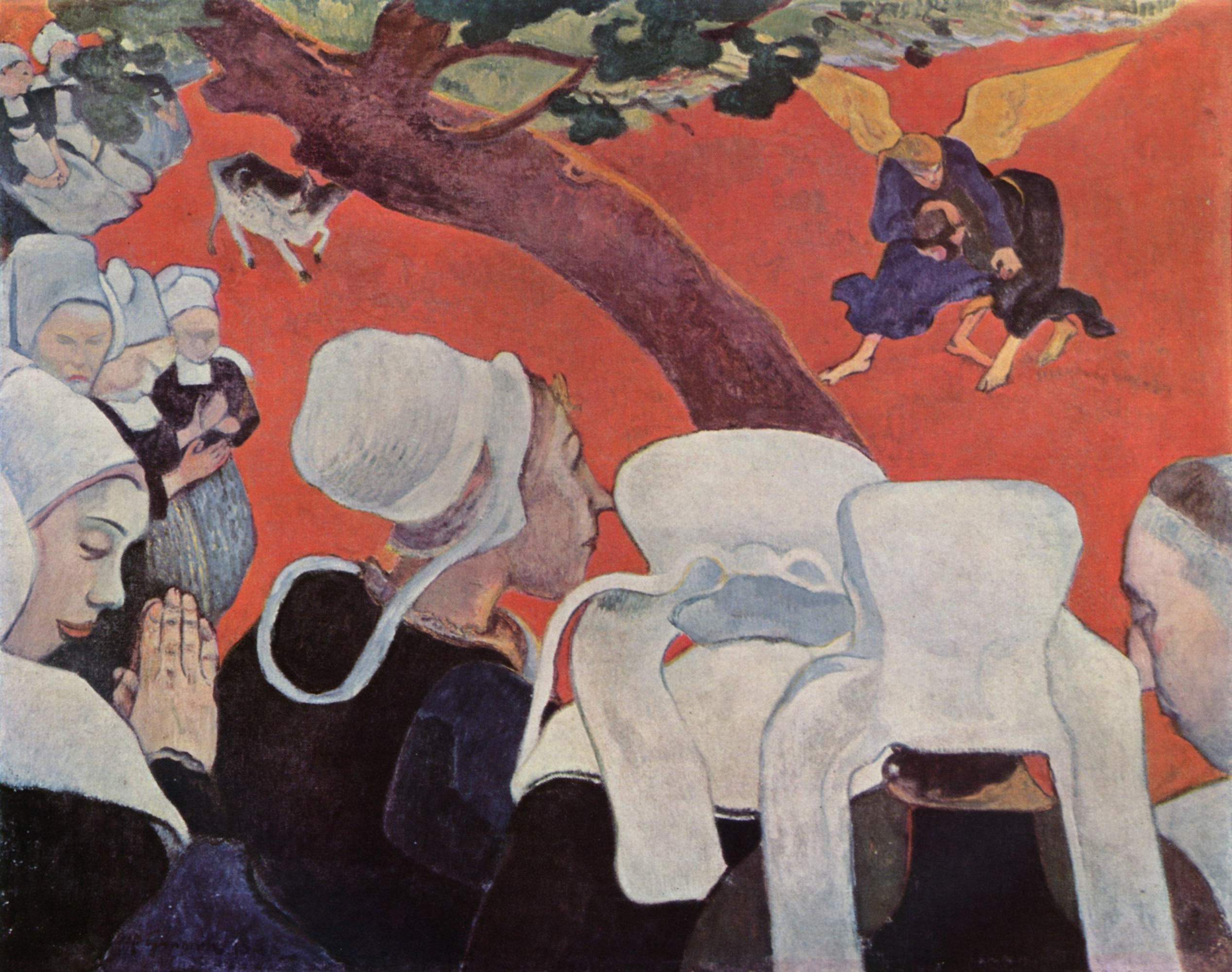
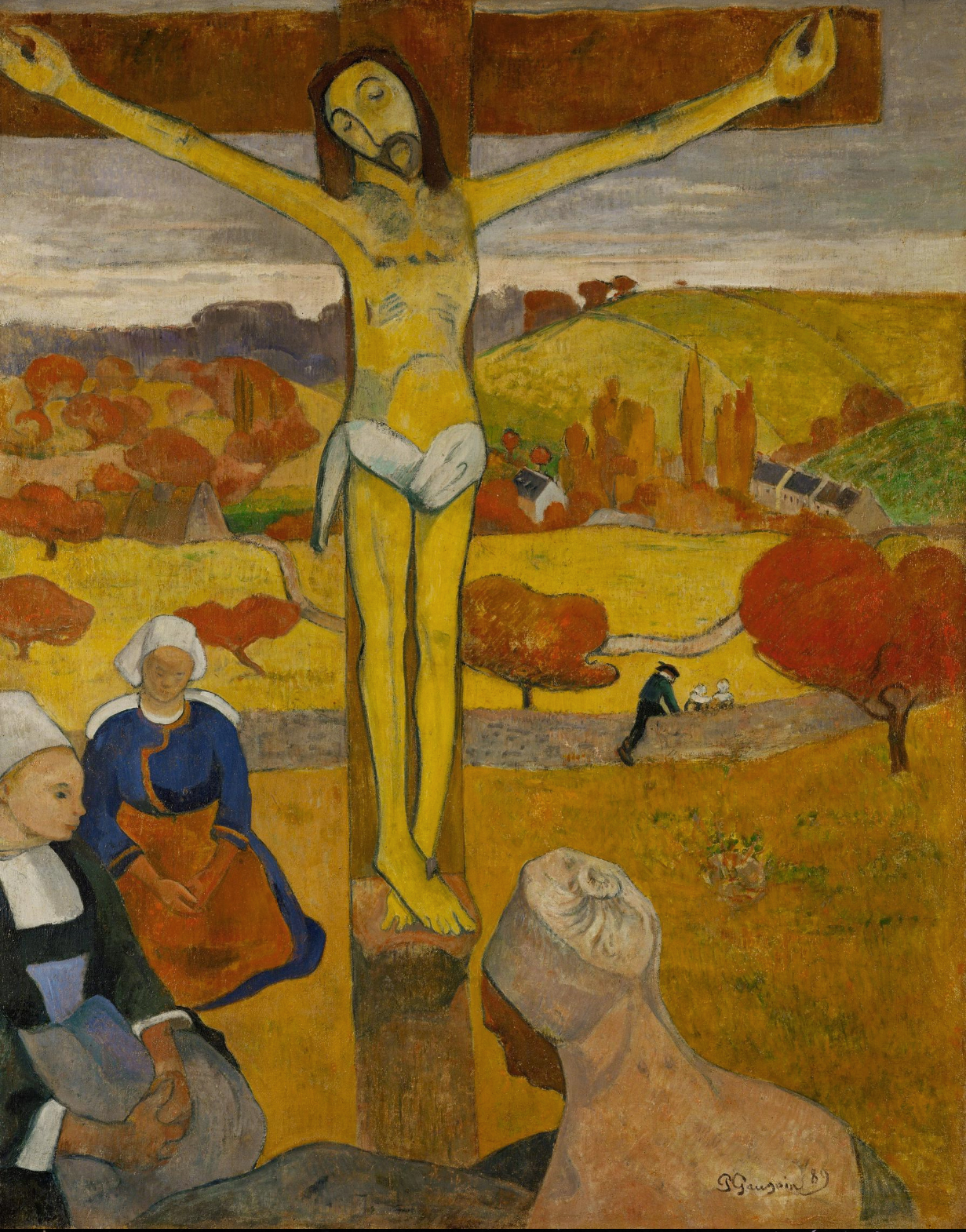
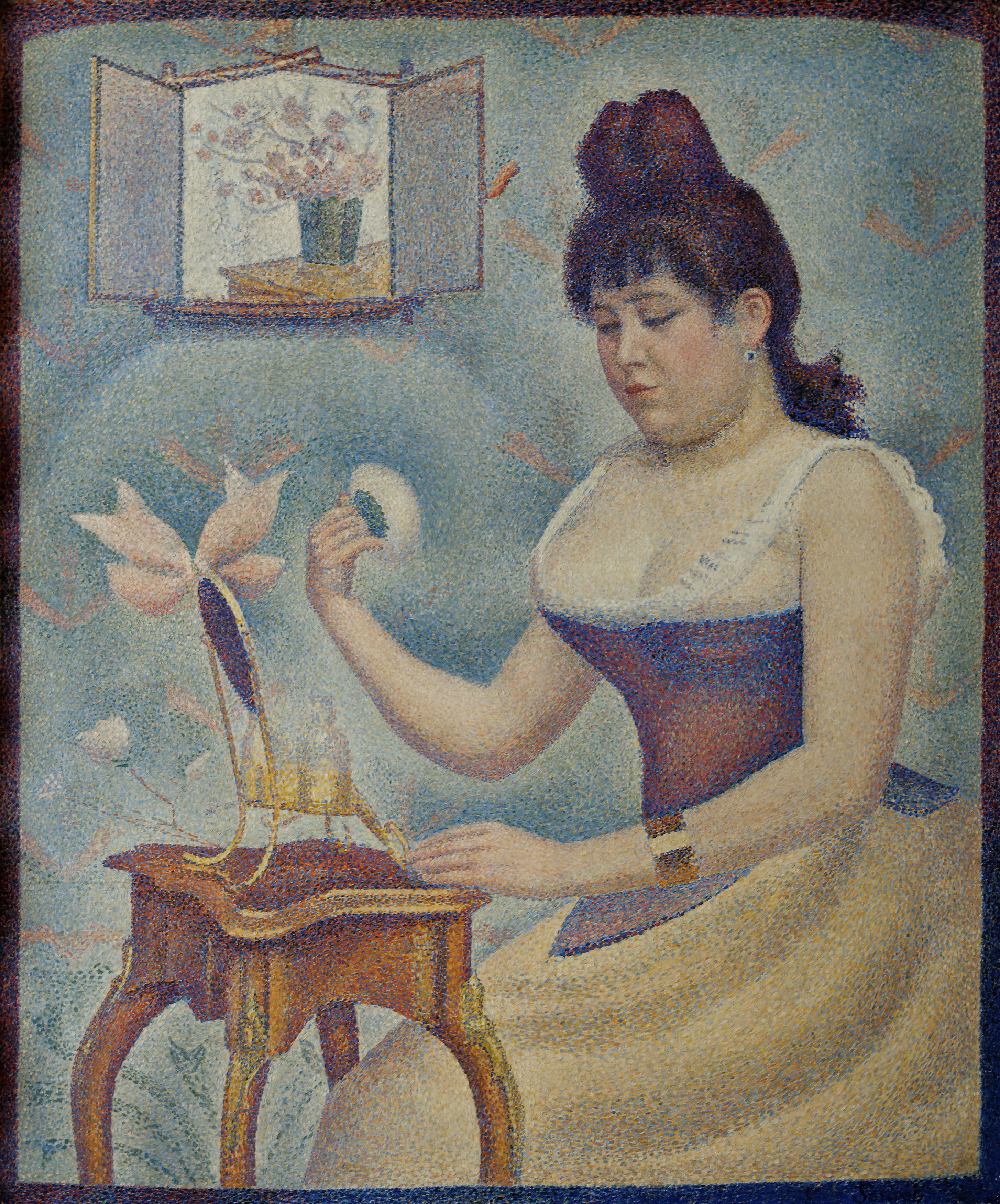
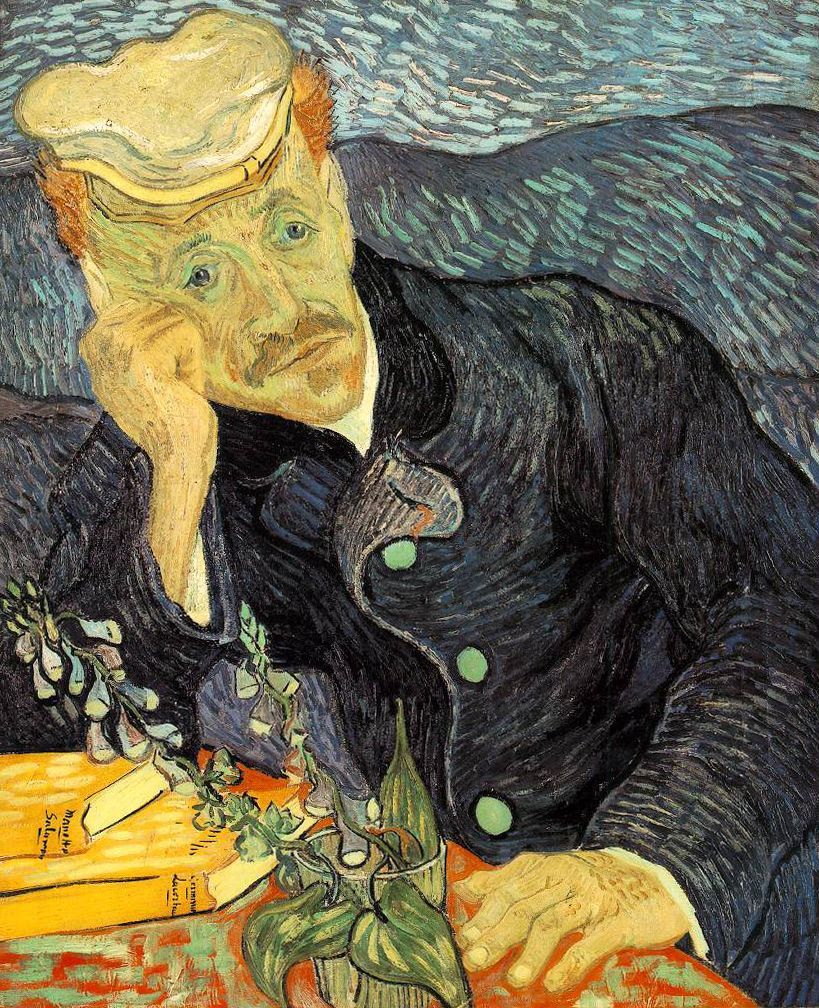
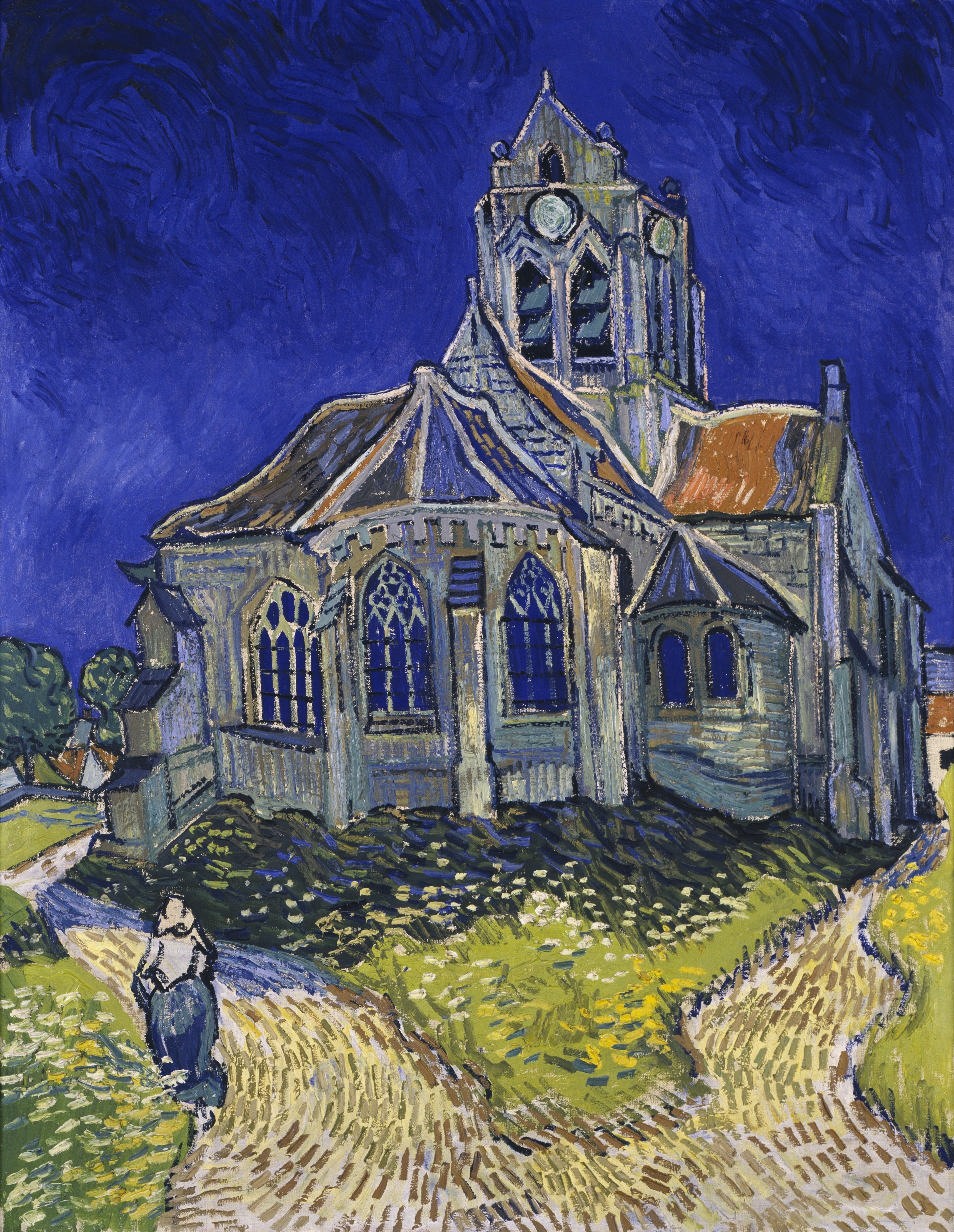
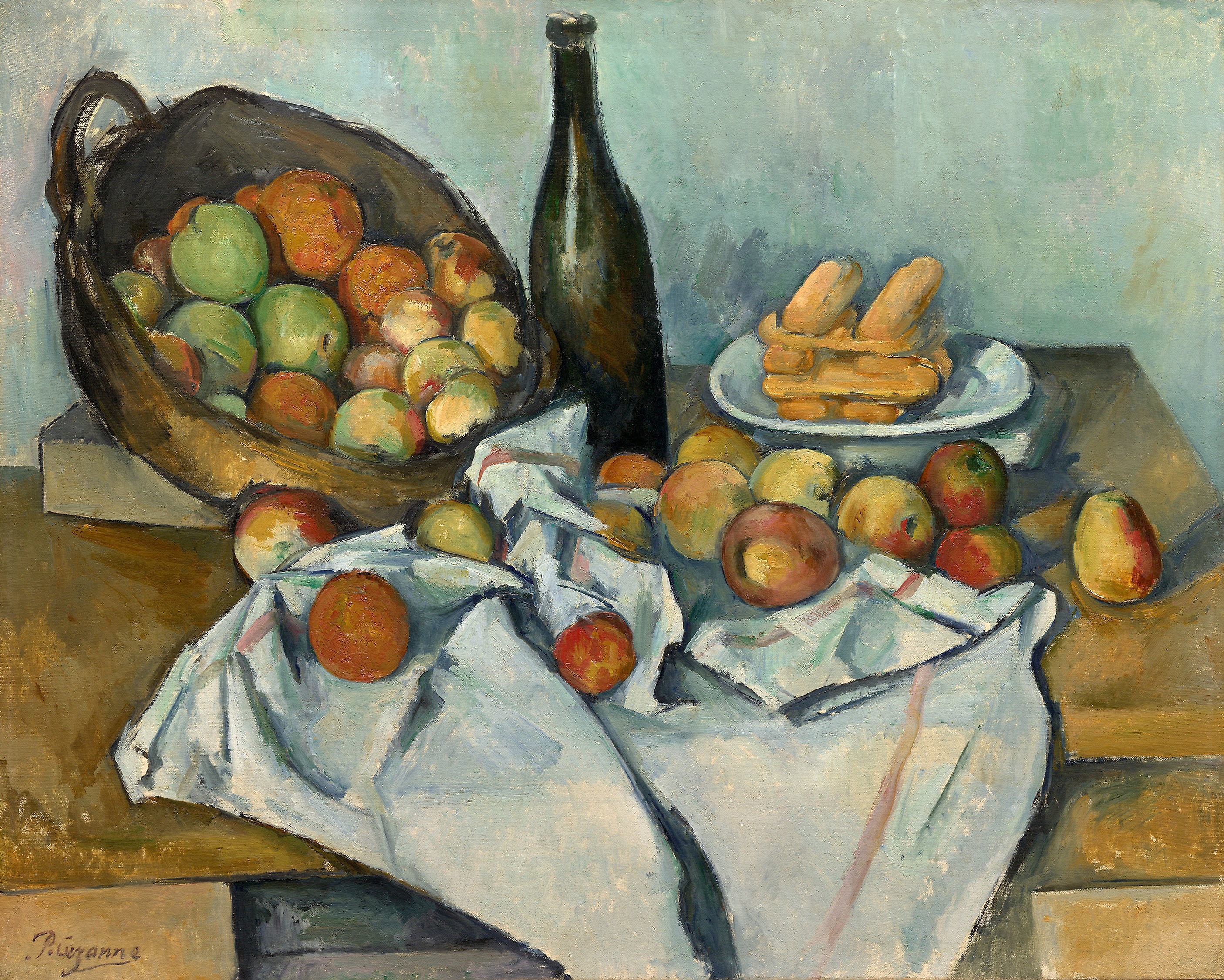
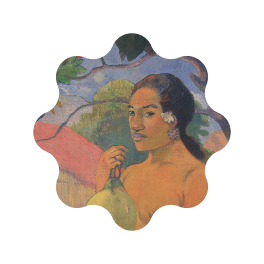
Impressionism had liberated painting from the studio, capturing light and atmosphere with unprecedented freshness, but some artists felt it sacrificed too much: structure, emotion, personal meaning. Post-Impressionism promised to keep that luminous color while restoring depth, whether through geometry, symbolism, or raw psychological intensity.
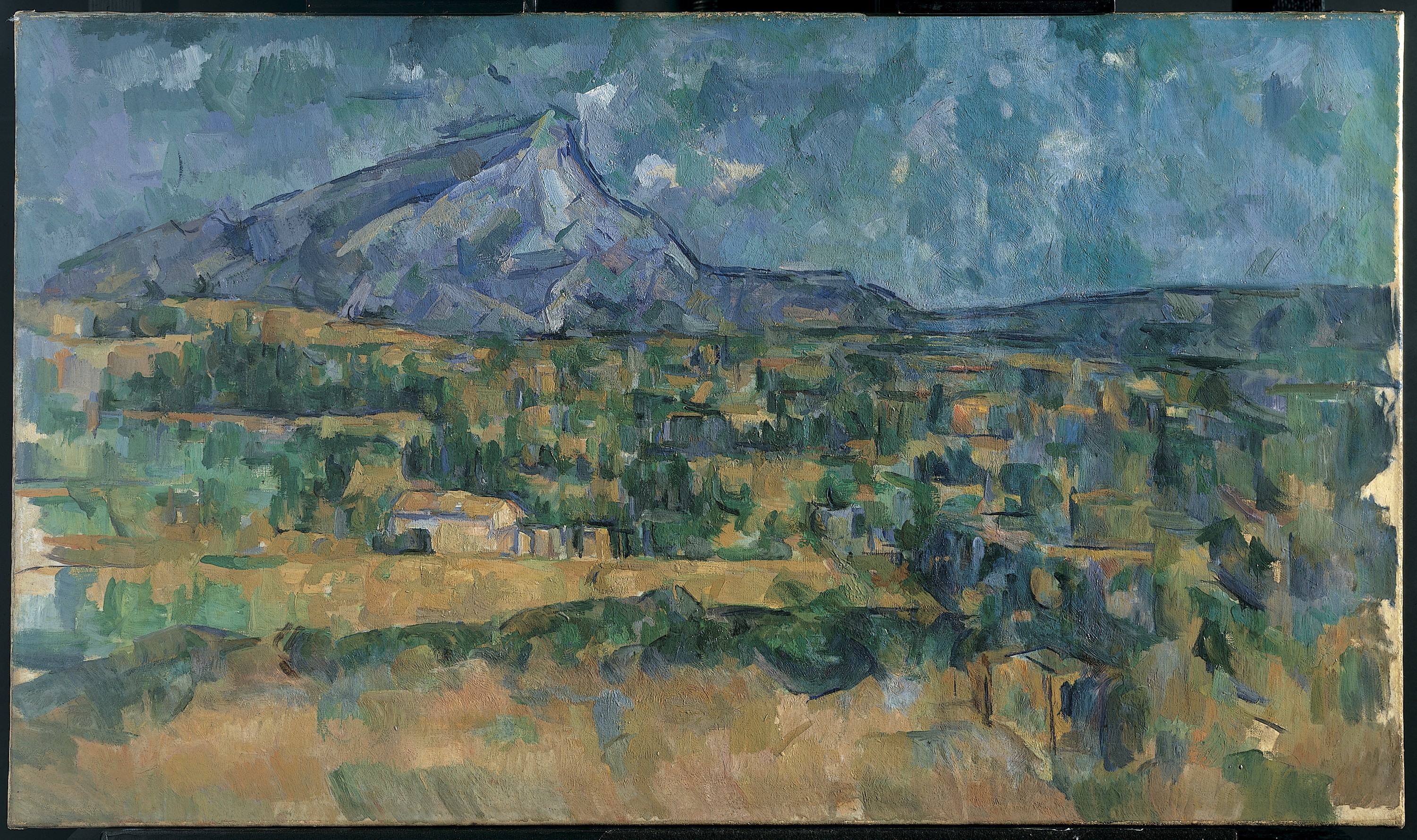
Mont Sainte-Victoire

Paul Cézanne
1902
Structure Meets Expression
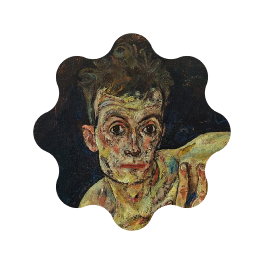
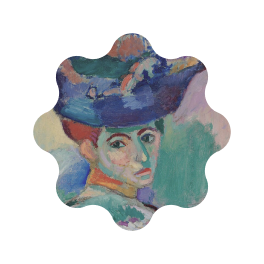
When you see color used emotionally rather than descriptively, when brushstrokes become visible signatures of feeling, when familiar subjects feel charged with symbolic weight, you're probably in Post-Impressionism. Forms might be flattened or built into geometric solids. The artist's inner vision matters as much as what the eye sees.

Artists


Artworks