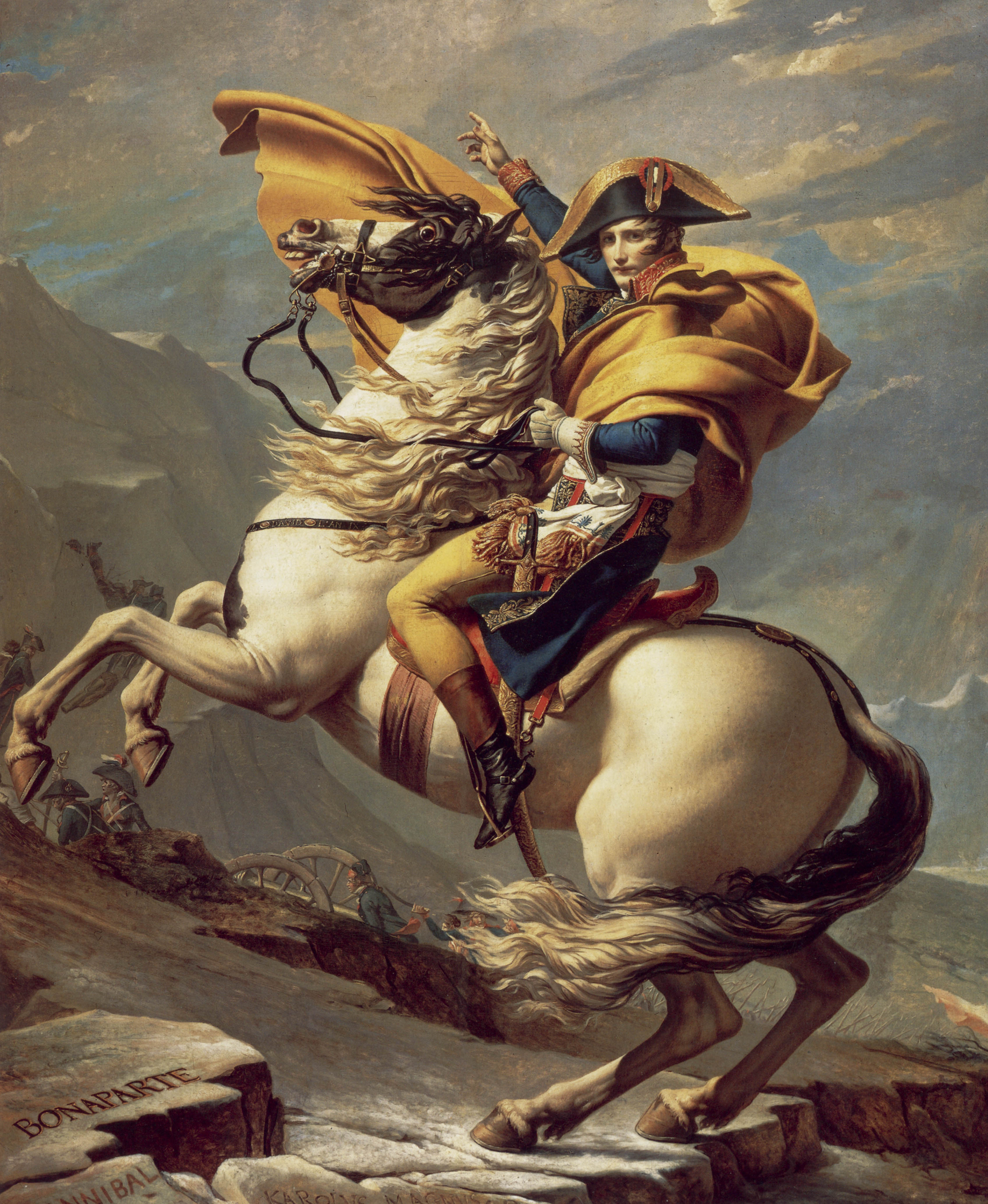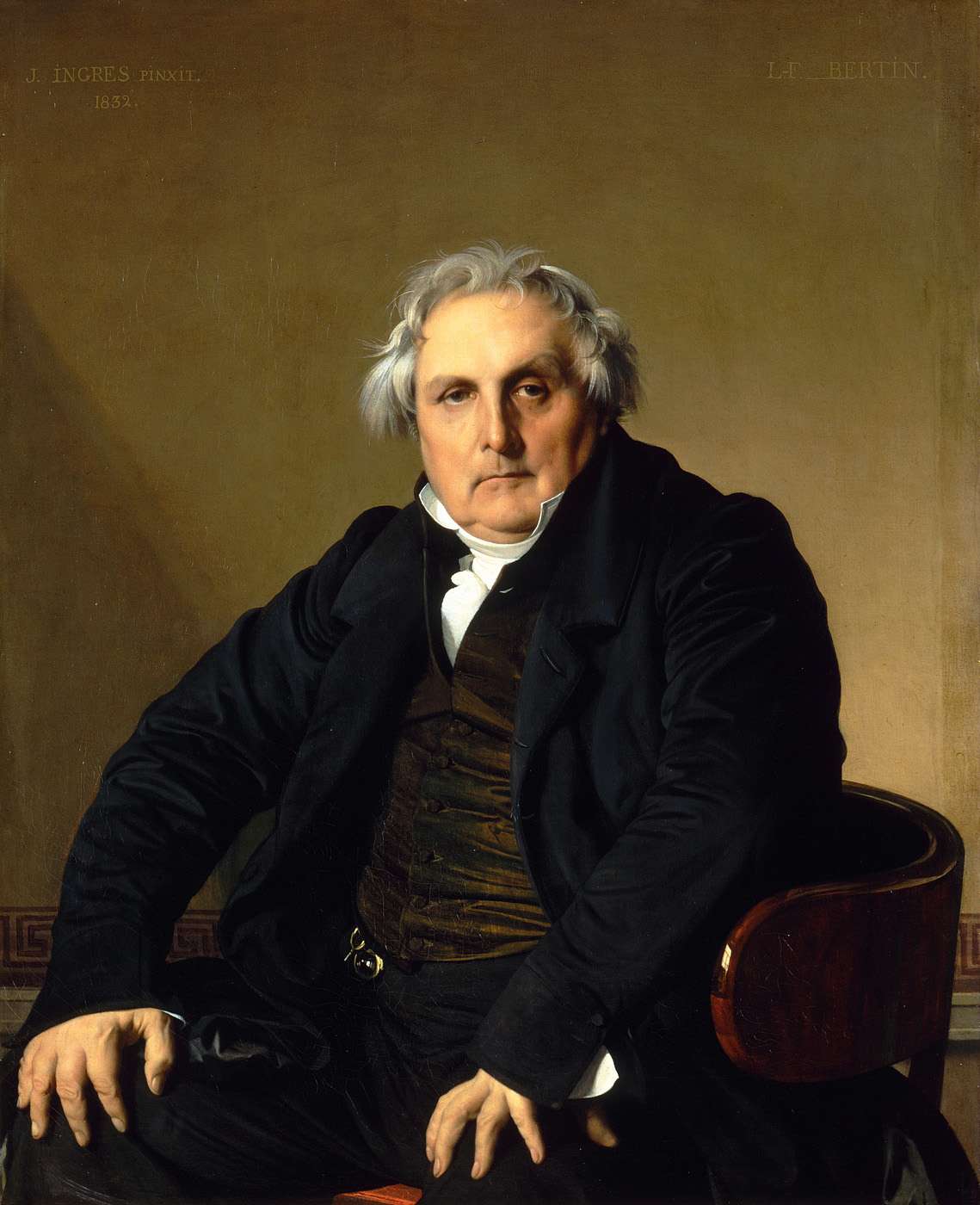
Neoclassicism









About
Reason Reclaims the Canvas
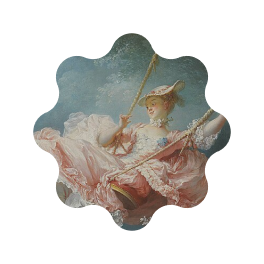
After decades of Rococo excess, with its pastel frivolity and aristocratic indulgence, painting felt untethered from moral weight. Neoclassicism promised a return to seriousness: art that could instruct, inspire civic virtue, and connect viewers to the timeless ideals of ancient Greece and Rome.

Oath of the Horatii

Jacques-Louis David
1784
Clarity as Conviction
When you see crisp outlines and sculptural figures posed like marble statues, when color serves form rather than dazzling the eye, when compositions feel balanced and stage-like, you're probably in Neoclassicism. Subjects draw from ancient history and mythology, chosen for their moral lessons. Light is even and rational, revealing everything without mystery or shadow play.
Artists


Artworks