Neo-Plasticism
About
The Search for Pure Structure
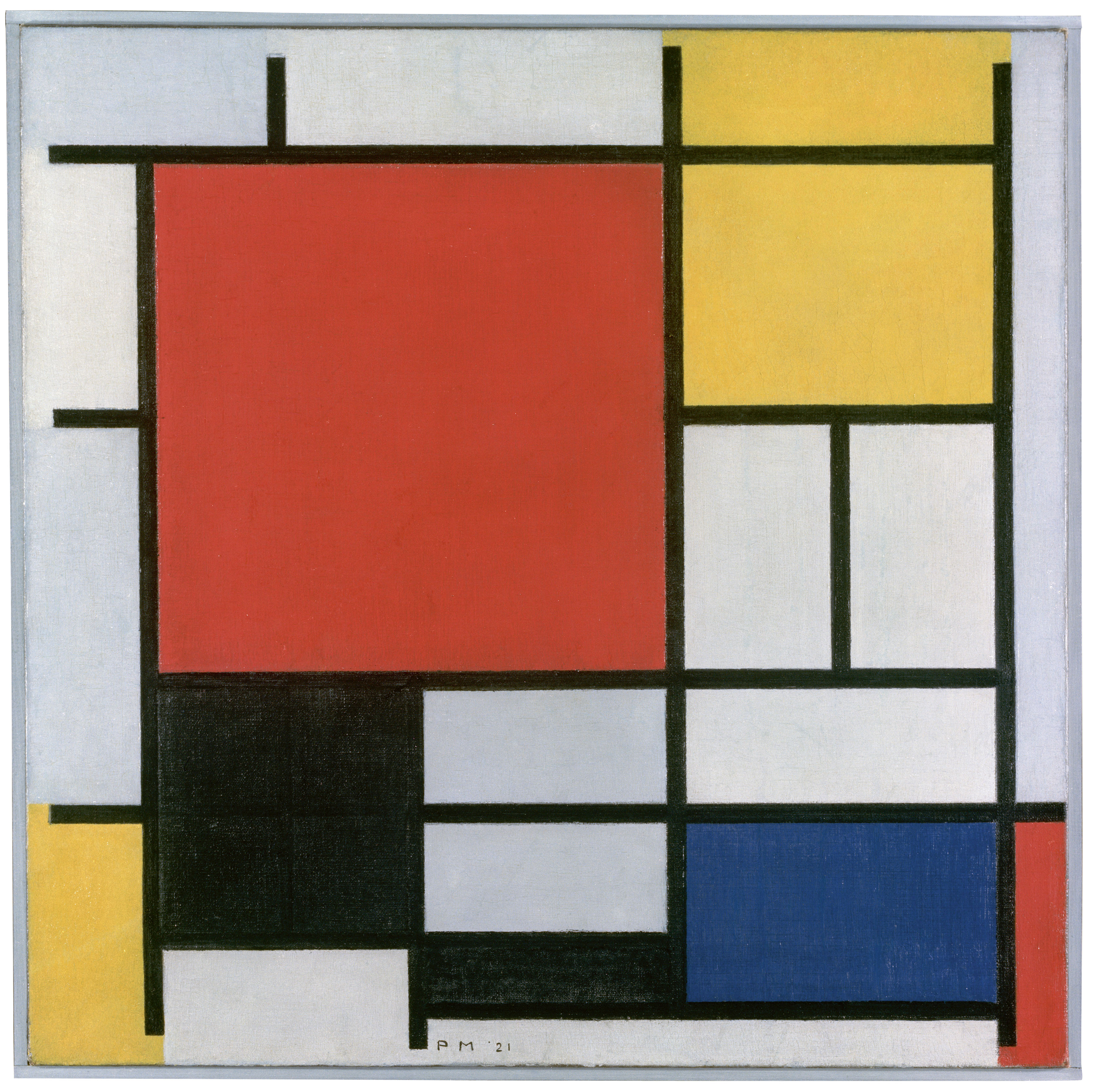
By the 1910s, abstraction had freed painting from representation, yet many works still felt tied to emotion, gesture, or natural forms. Neo-Plasticism promised something more radical: a visual language reduced to absolute essentials, where only horizontal and vertical lines, primary colors, and non-colors could speak universal truths.

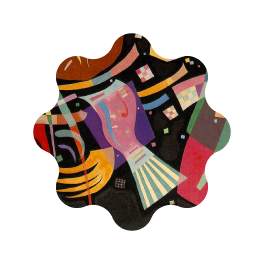
Composition VIII

Wassily Kandinsky
1923
Balance Without Symmetry
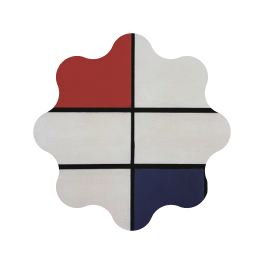
When you see a white ground divided by black lines into rectangles, filled only with red, yellow, blue, or left white, you're in Neo-Plasticism. No curves, no diagonals, no shading. Compositions feel tensely balanced yet never static, each color plane pushing against its neighbors. This was painting as philosophy: stripping away the particular to reveal underlying harmony.

Artists

Artworks