Early Renaissance
















About
From Symbol to Sight
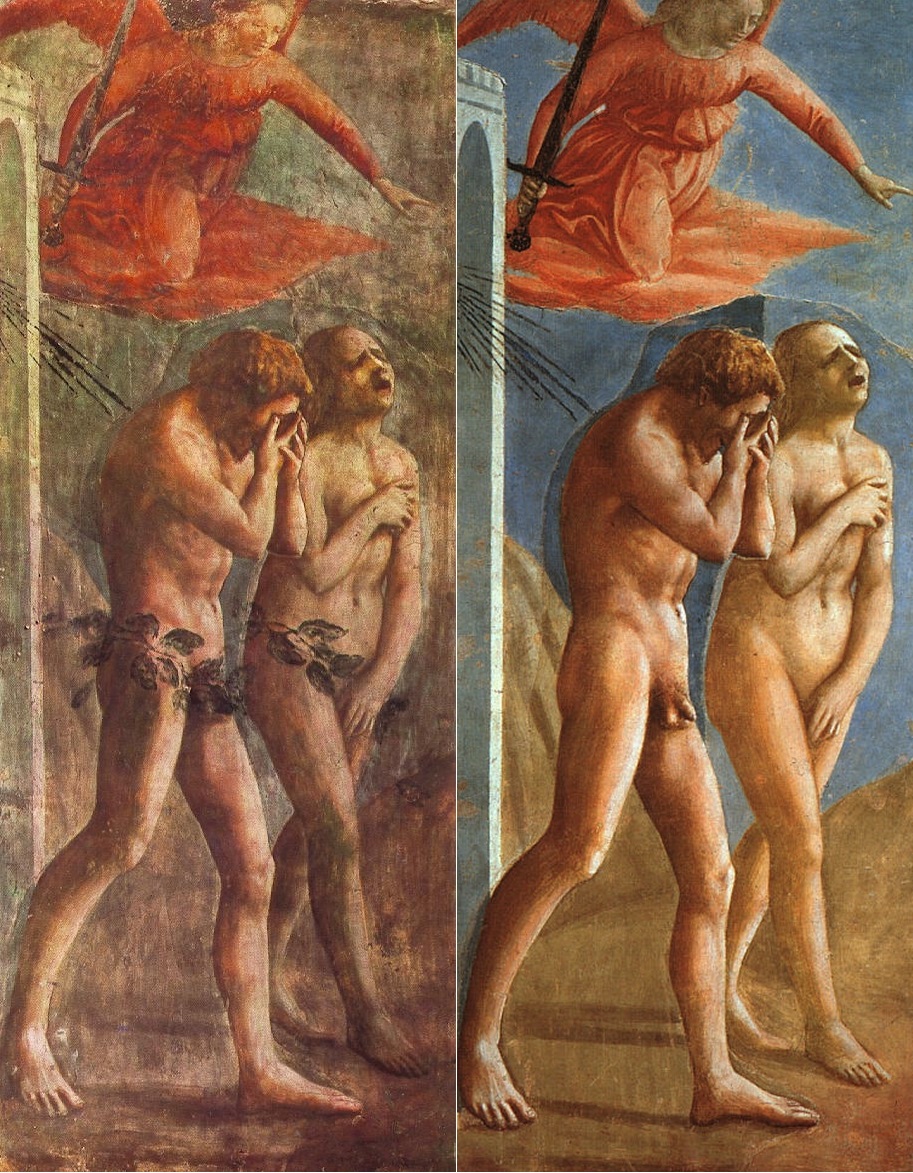
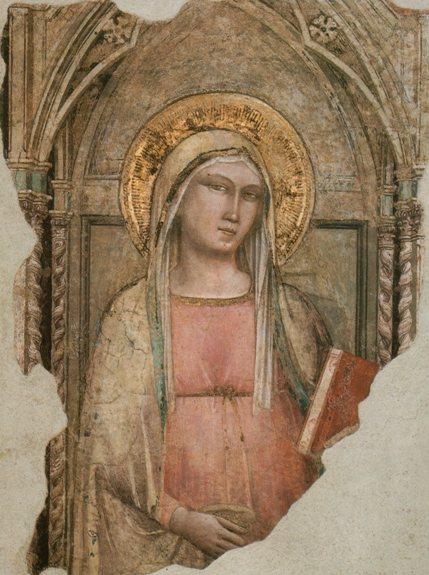
Medieval painting had served faith with flat, golden figures floating beyond earthly space. The Early Renaissance promised something revolutionary: to bring sacred stories back down to solid ground, where bodies had weight, rooms had depth, and human emotion could be read on every face.

Lamentation (Scrovegni Chapel)

Giotto
1305
Building the Visible World
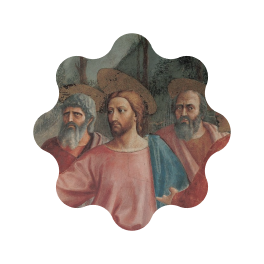
When you see figures standing firmly on floors that recede logically into distance, when faces express grief or wonder rather than serene sameness, when architecture frames the scene like a stage, you're probably in the Early Renaissance. Linear perspective became a tool for truth. Patrons wanted devotion made tangible, faith you could almost touch.

Artists




Artworks